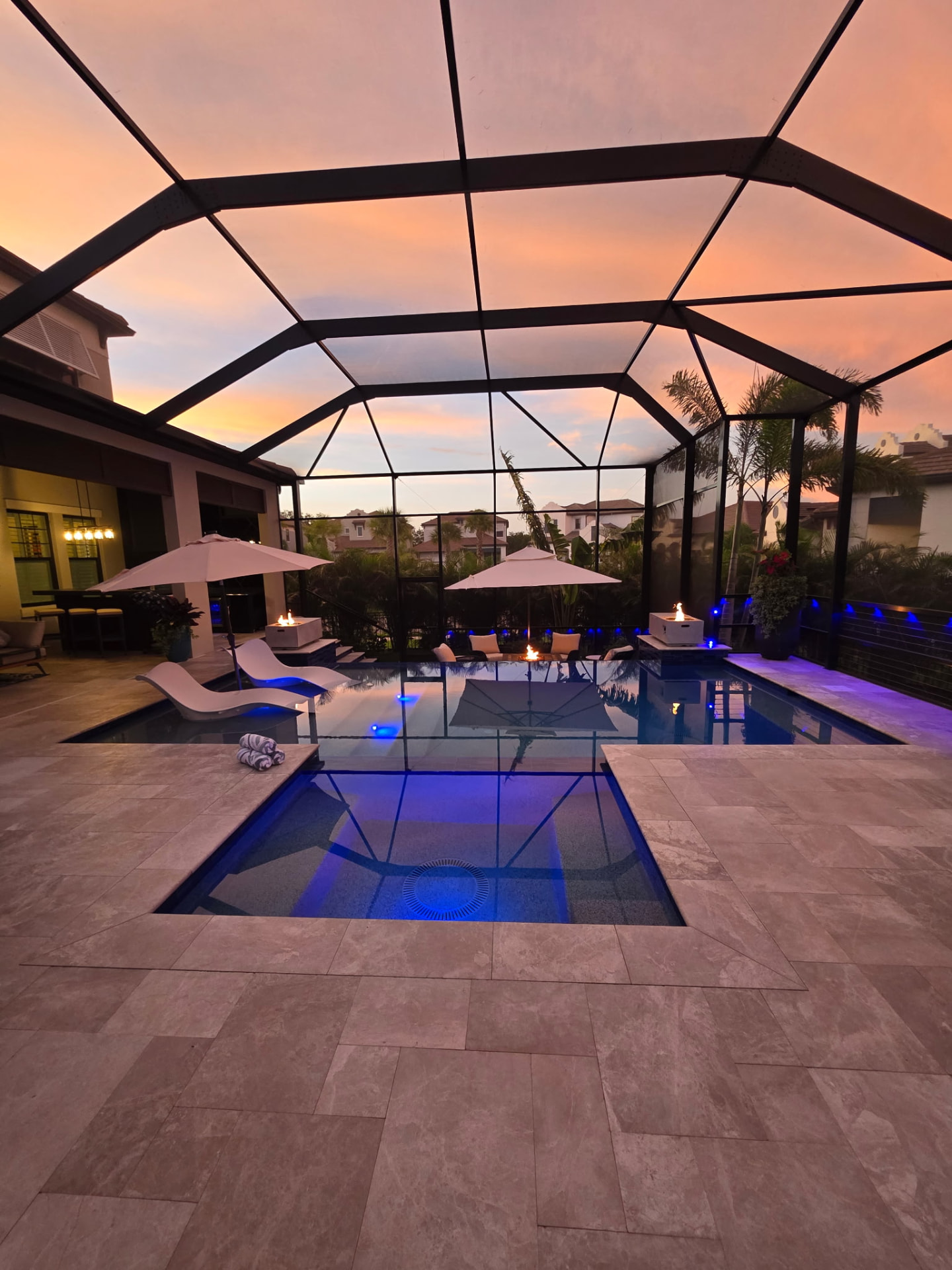
Designing a Pool Screen Enclosure Tampa Homeowners Love
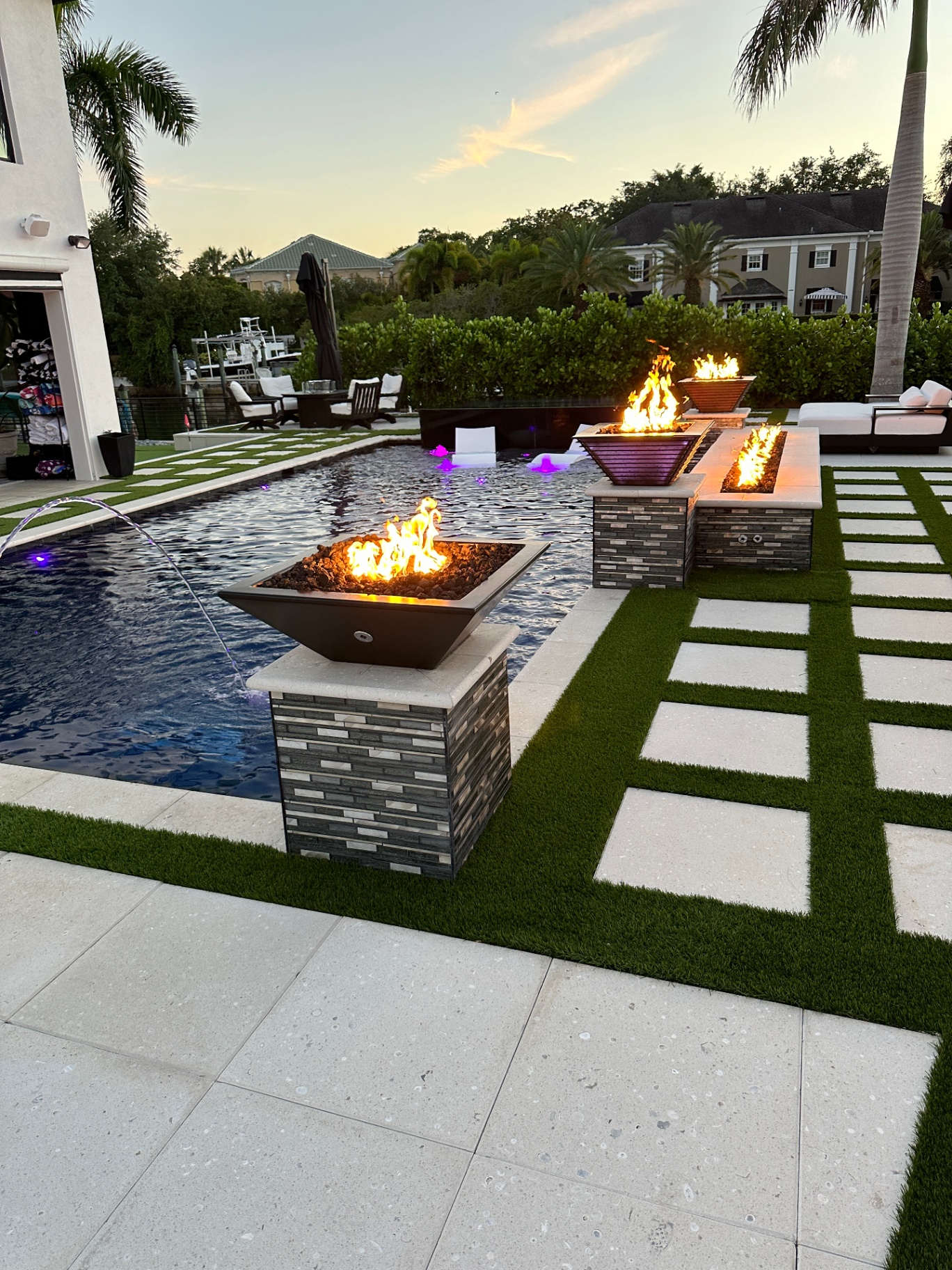
Planning a pool screen enclosure Tampa installation? Learn how custom cage engineering, smart automation, and LED lighting elevate your Florida backyard experience.
A custom pool screen enclosure Tampa project offers crucial protection against bugs, debris, and intense solar radiation while extending your outdoor living season. When paired with modern automated pool equipment and energy-efficient LED lighting, a screen cage transforms your pool deck into a seamless outdoor sanctuary that operates effortlessly day or night.
Building an outdoor living space in Hillsborough County requires a thoughtful balance between wind resistance, structural aesthetics, and functional technology. Homeowners must consider local wind load codes, insect mesh density, and smart automation systems that allow total control over filtration, water features, and illumination from a single smartphone app.
Engineering Standards for Florida Screen Cages
Building a cage in the Tampa Bay area demands rigorous structural engineering. Local building codes mandate that screen structures withstand high hurricane wind velocities, which means aluminum mansard or dome roofs must feature heavy-gauge extrusion beams and stainless steel fasteners. High-grade fasteners prevent structural rust caused by coastal humidity and salt air blowing off Tampa Bay. Proper anchoring into the concrete deck footing ensures your cage remains stable during tropical storms and heavy rain showers without compromising the aesthetic outline of your pool.
Selecting the correct mesh density is equally critical for year-round comfort. Standard eighteen-by-fourteen fiberglass mesh effectively keeps out large debris and mosquitoes, while finer twenty-by-twenty mesh stops tiny no-see-ums commonly found near coastal waterways and wetlands in Riverview and Apollo Beach. While finer mesh reduces airflow slightly, it drastically lowers pool maintenance by keeping organic material out of the skimmers. Reduced organic debris helps balance water chemistry, minimizes chlorine demand, and prolongs the lifespan of your pump and filtration equipment.
Color and frame architecture also play a significant role in modern outdoor design. Dark bronze and classic white remain popular frame colors, but charcoal-tinted screen mesh offers superior clarity when looking out toward your lawn or water views. Panoramic or clearview screen designs utilize wider beam spans to eliminate mid-frame upright posts, giving you unobstructed sightlines while maintaining full structural compliance with Florida building requirements.
Should You Automate Your Screened Pool System?
Modern pool automation transforms how you manage your backyard, eliminating the manual chore of turning valves and adjusting chemical feeders. By integrating a centralized smart controller, you can manage pump schedules, salt chlorine generation, temperature settings, and water features directly from your phone or tablet. In a screened environment, automated systems optimize filtration cycles to match actual pool usage, ensuring maximum energy efficiency during long Florida summers.
Smart automation also syncs perfectly with modern variable-speed pumps and heat pumps. During wet summer afternoons, automated rain sensors and smart schedules prevent unnecessary chemical dosing and adjust pump speed based on real-time needs. Whether you are returning from work in Brandon or relaxing on the patio in Valrico, activating your spa heater or fountain features takes just a single tap, preparing your outdoor space before you even step outside.
- Smart Phone Control: Manage water temperature, pump speeds, and filtration schedules remotely from anywhere.
- Automated Chemical Dosing: Maintain ideal pH and sanitization levels without manual liquid chlorine handling.
- Custom Scene Setting: Trigger pre-programmed modes like Evening Party or Spa Relaxation with one touch.
- Energy Efficiency Scheduling: Run variable-speed pumps during off-peak utility hours to reduce electric costs.
- Weather Integration: Sync filtration and heating response based on local storm activity and ambient temperature drops.
Incorporating automated perimeter lighting and motorized screen shades further enhances privacy and comfort. Motorized retractable screens can be integrated directly into your structural lanai beam, allowing you to lower wind barriers or shade screens with the same app that controls your pool pumps. This unified technology approach ensures your outdoor living area adapts seamlessly to changing weather conditions throughout Hillsborough County.
Designing Your Ideal Pool Screen Enclosure Tampa Style
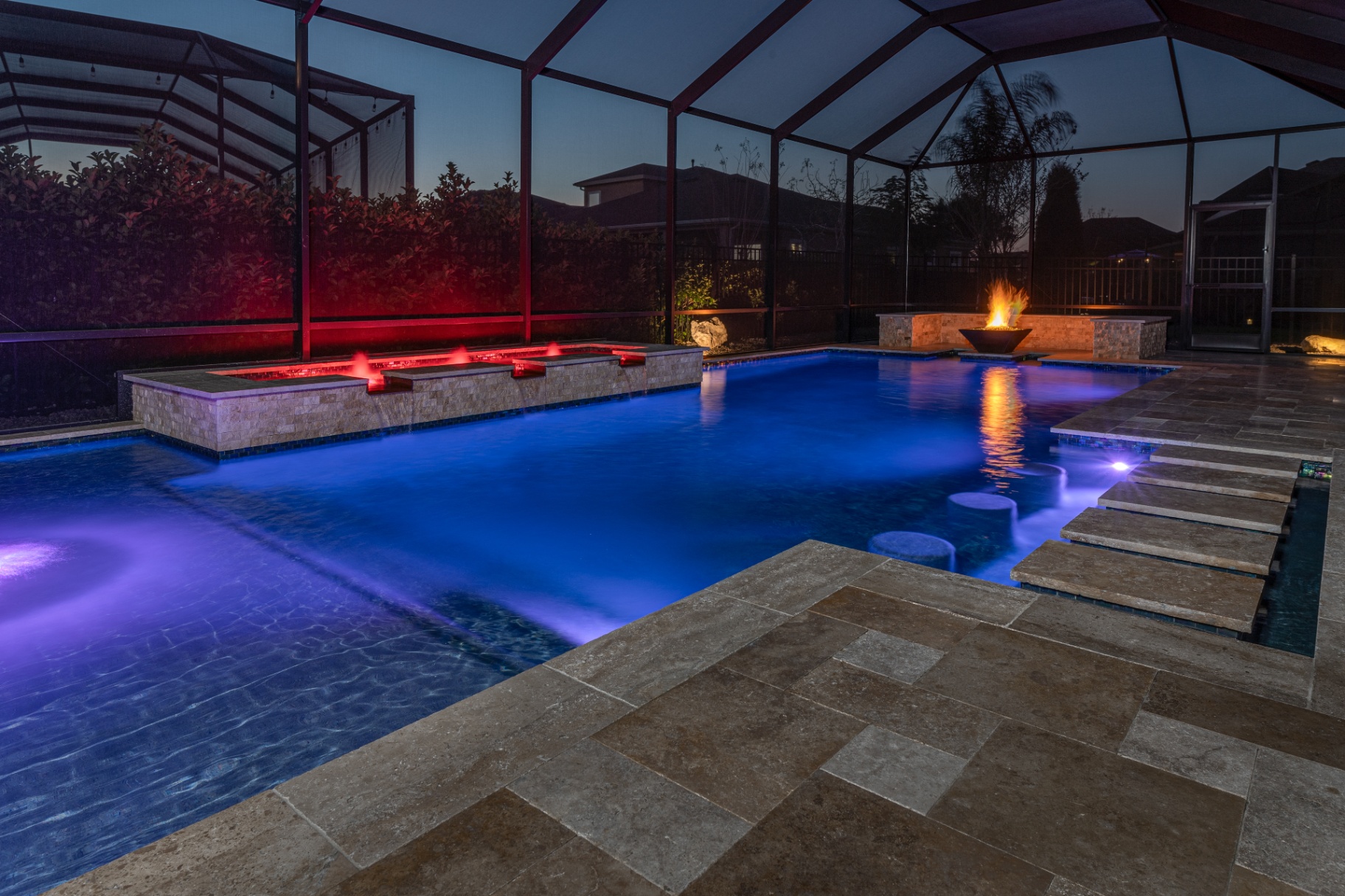
Designing your ideal pool screen enclosure Tampa style involves combining solid structural framing with ambient low-voltage LED lighting systems. Installing color-changing LED lights along the perimeter cage beams creates a soft glow that eliminates harsh shadows while illuminating the entire deck area. Under-rail lighting and beam-mounted accent fixtures highlight the architectural lines of your cage without drawing unwanted insects or creating high-glare reflection on the water surface.
Underwater pool lighting works in harmony with overhead enclosure lights to set the mood for night swimming. Micro-LED nitcheless pool lights can be installed along pool walls, shallow sun shelves, and steps to produce vibrant hues like deep sapphire, emerald, or warm white. Advanced LED fixtures use a fraction of the electricity required by legacy halogen bulbs and offer custom color-show sequences that turn your pool basin into an inviting focal point after sunset.
To maximize visual impact, sync your underwater lights with the enclosure beam lighting through your smart control panel. Coordinating subtle color changes between the water and structural frame creates a resort-quality ambiance across your entire backyard. Professional low-voltage installation ensures all wiring is hidden neatly within the aluminum frame channels, protecting electrical components from humidity, salt air, and harsh sunlight.
How Does Local Weather Impact Screened Pools?
Florida heat and humidity create unique conditions that affect both your screen enclosure and your pool water chemistry. While a cage blocks direct falling leaves and reduces direct ultraviolet sunlight exposure, trapped moisture and shade can encourage algae growth on concrete decking or screen spline grooves. Regular pressure washing at low PSI prevents mildew accumulation without tearing delicate screen mesh or stripping protective powder coatings from aluminum posts.
A protected pool water surface stays cleaner, but reduced sunlight changes chemical consumption patterns. UV rays naturally break down chlorine, so a screened pool usually requires lower chlorine stabilizer levels compared to an open-air pool. Incorporating an automated saltwater chlorinator or UV sanitization system helps keep chemical levels balanced naturally, protecting sensitive skin and preserving gunite plaster finishes over decades of year-round swimming.
Choosing high-quality components during the initial construction process drastically reduces long-term maintenance costs. Investing in stainless steel hardware, polyester-coated screen splines, and commercial-grade automation systems prevents premature component failure in our coastal climate. When you invest in a professionally built pool screen enclosure Tampa homeowners can enjoy decade after decade, routine care becomes a simple, hassle-free process.
Permitting and Construction Rules in Hillsborough County
Building a custom pool and cage structure involves navigating local setback limits, property easements, and drainage requirements. In municipalities like St. Petersburg, Wesley Chapel, and Lithia, building departments mandate specific site plans and engineering calculations before issuing permits. Working with a fully licensed custom pool builder ensures all structural footings, electrical bonds, and cage anchor designs meet or exceed current Florida Building Code specifications.
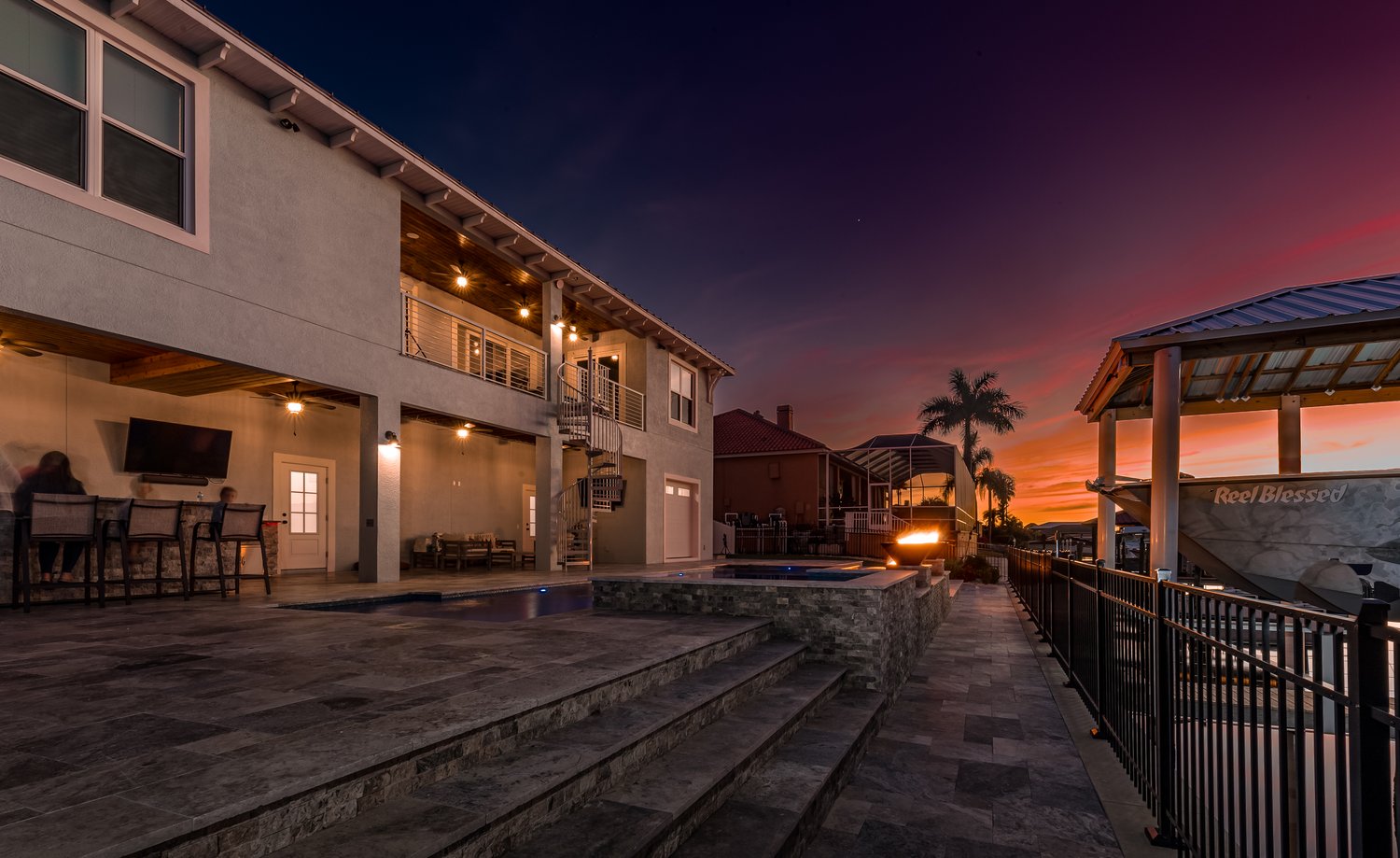
High water tables and sandy soils present unique structural challenges across the Tampa Bay area. Gunite pool shells must be engineered to withstand hydrostatic pressure, while cage footings require deep concrete pours to anchoring points along the deck perimeter. Experienced builders coordinate the pool shell pour, deck installation, electrical bonding, and screen cage assembly seamlessly to avoid weather delays during peak summer storm seasons. If you are ready to design a custom pool, cage enclosure, and automated lighting setup tailored to your backyard, schedule a free design consultation with Wahoo Pools at 813-699-3282.
Frequently asked questions
How long does it take to construct a pool screen enclosure in Tampa?
Construction typically takes one to two weeks once materials arrive on site, but overall timelines depend on county permitting and engineering reviews. In Hillsborough County, plan approval can take three to six weeks. Working with an experienced builder streamlines the permit submission and ensures proper sequencing with pool deck construction.
Will a pool screen enclosure block UV rays and lower water temperature?
Yes, standard screen mesh reduces sunlight and UV radiation by approximately 30 to 40 percent. This slight shade keeps pool water significantly cooler during peak summer heat, slows down chlorine evaporation, and protects your skin during extended outdoor recreation while keeping annoying insects completely out of your swimming area.
Can automated pool lights be controlled with home automation platforms?
Modern automated pool systems connect directly to home automation setups like Apple HomeKit, Amazon Alexa, or Google Home. Through built-in Wi-Fi bridges, you can adjust pool illumination, activate water features, adjust heating, and change light colors using simple voice commands or pre-programmed smart home routines.
What wind speed are pool screen enclosures built to withstand in Florida?
According to the current Florida Building Code, modern screen enclosures in the Tampa Bay region must be engineered to withstand wind speeds between 140 and 160 miles per hour, depending on exact zone boundaries. High-strength aluminum beams and heavy-duty stainless steel deck anchors ensure structural stability during severe weather.