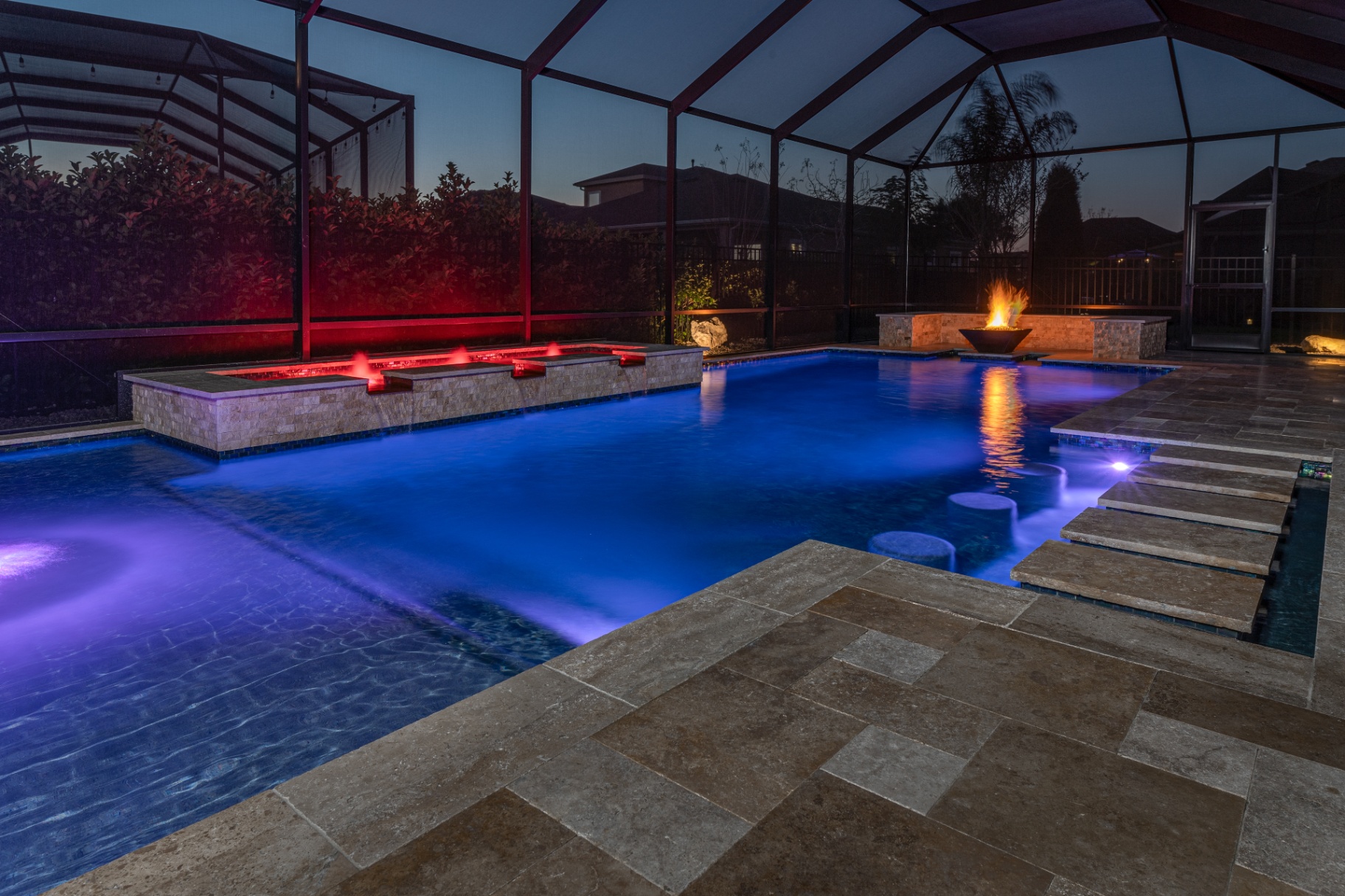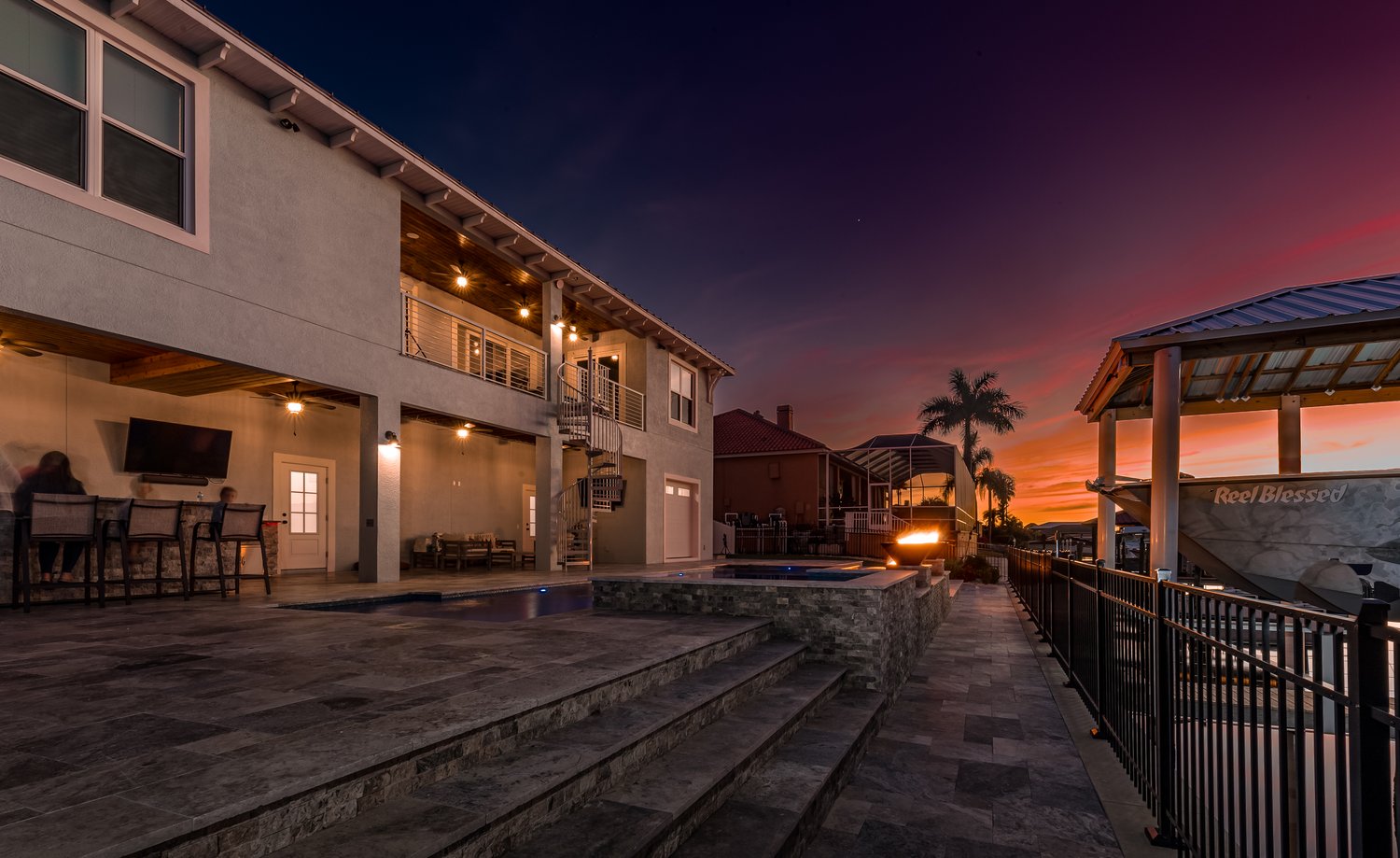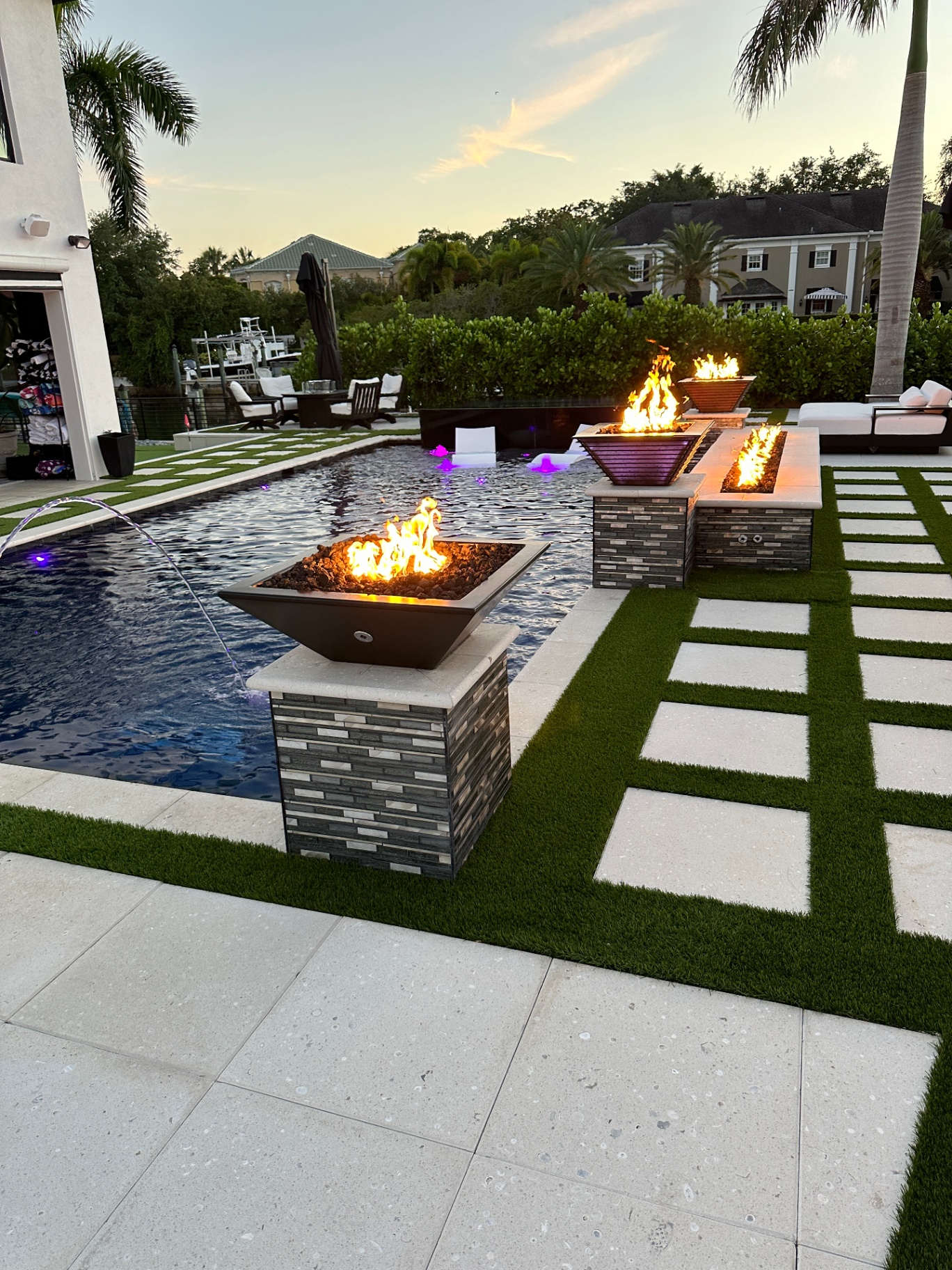
How to Hire Top Pool Builders Tampa FL
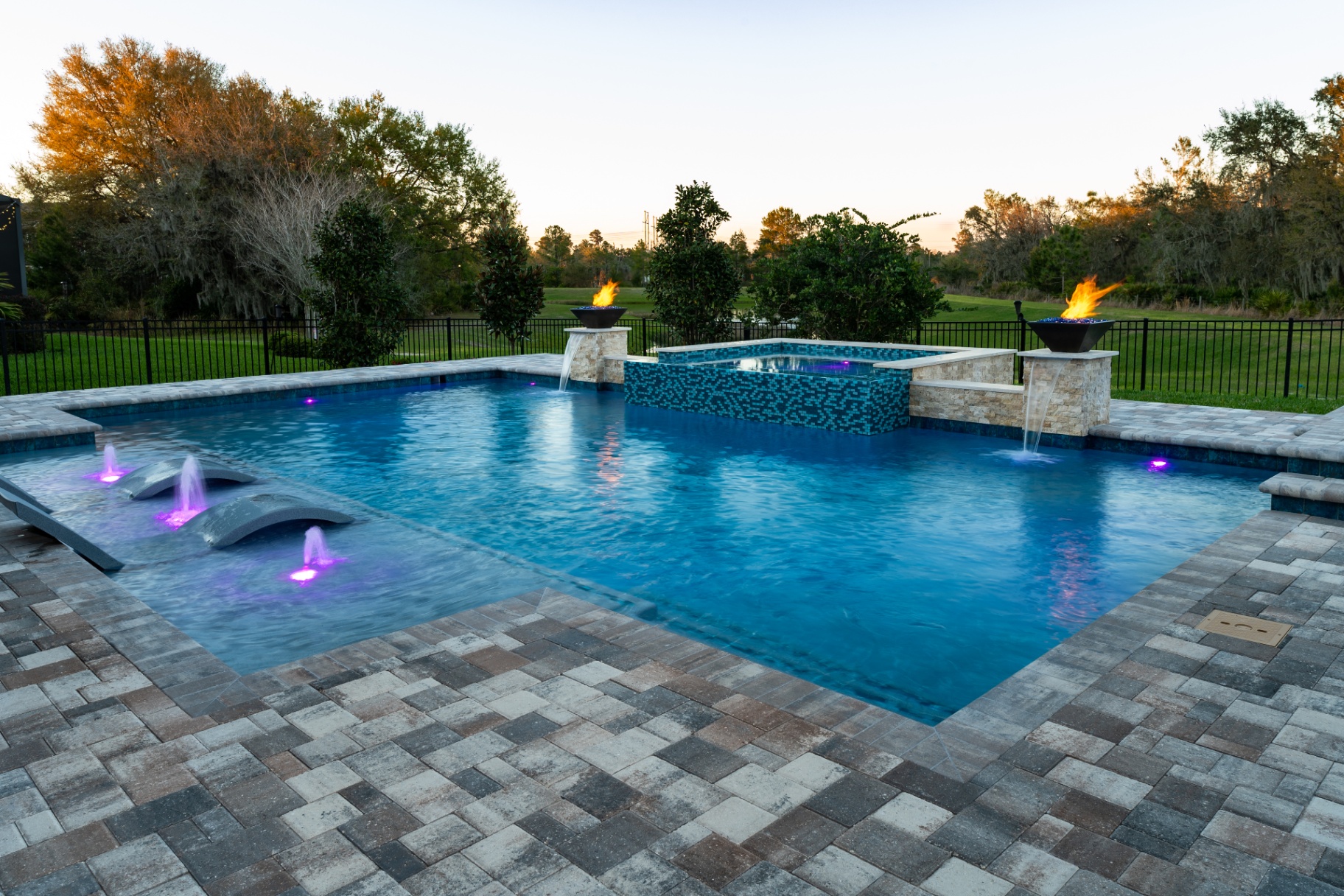
Choosing licensed pool builders Tampa FL requires checking credentials, soil expertise, and local building codes. Here is what to verify before signing.
Choosing the right pool builders Tampa FL homeowners trust requires verifying state licensing, insurance, and local engineering expertise before signing any contract. Florida requires a Commercial Pool/Spa Contractor license (CPC) or Residential Pool/Spa Contractor license (CP) to legally build swimming pools, which ensures the contractor carries proper liability insurance, workers compensation coverage, and verified structural competency. Selecting an experienced local builder protects your investment against soil settlement, high water tables, and costly building code compliance errors.
Beyond basic legal credentials, evaluating a custom builder involves reviewing past project portfolios, local references, permitting history in Hillsborough County, and structural warranties. A qualified pool contractor will handle every phase of construction, from soil testing and engineering drawings to final inspections and equipment setup, ensuring your new custom pool withstands summer tropical storms and intense coastal salt air.
What Credentials Must Pool Builders Tampa FL Possess?
In the state of Florida, swimming pool construction is strictly regulated to safeguard property owners from unsafe structural designs and financial liabilities. When vetting contractors across Brandon, Riverview, and Wesley Chapel, always confirm that the business holds an active CPC license issued by the Florida Department of Business and Professional Regulation. A valid license demonstrates that the builder has passed rigorous trade examinations, maintains mandatory commercial general liability insurance, and carries active workers compensation for all on-site crew members. Working with an unlicensed contractor exposes you to severe financial risk if an injury occurs on your property or if structural defects arise later.
In addition to state-level licensing, top-tier builders maintain established relationships with municipal building departments throughout the Tampa Bay area. Local expertise is critical because building codes in Apollo Beach or Valrico often dictate specific setbacks from property lines, seawalls, and drainage easements. Experienced builders ensure all engineering plans meet local wind load requirements for screen enclosures and comply with strict electrical safety codes. Asking a prospective builder for their license number and verifying it directly on the state licensing portal is the single most important first step before making any deposit payments or authorizing site clearance.
How Does Local Soil and Elevation Impact Pool Engineering?
Building a pool in Florida involves navigating unique environmental conditions that differ significantly from other regions of the country. High ground water tables, sandy soil compositions, and low coastal elevations require precise structural engineering to prevent pool shell movement. In low-lying areas near the bay or along residential canals, hydrostatic pressure from underground water can literally lift an improperly designed pool out of the ground when emptied. Qualified pool engineers design heavy-duty steel rebar grids and thicker concrete shells to counteract subterranean water pressure and stabilize the pool against soil shifting.
Excavation in communities like Lithia and St. Petersburg frequently reveals varying soil layers, ranging from soft sugar sand to thick clay or dense limerock. Proper site evaluation dictates the depth of the excavation, the strength of the concrete mix, and the necessary drainage systems around the pool deck. Without customized engineering based on local soil samples, backyard pools are susceptible to severe deck cracking, plumbing displacement, and deck settling after heavy rainfall events. Professional builders tailor every structural plan to the specific lot conditions of your neighborhood.
Key site factors your pool builder must evaluate before excavation begins: - Ground water depth to determine if active site dewatering pumps are required during digging - Setbacks from existing seawalls, septic fields, property lines, and utility easements - Local soil density to engineer appropriate rebar schedule and concrete shell thickness - Drainage direction to ensure torrential summer rains channel away from your house foundation - Overhead line clearances and underground utility locations before heavy equipment arrives
What Questions Should You Ask Before Signing a Construction Contract?
Before signing a detailed construction agreement, every homeowner should ask comprehensive questions about project timelines, payment schedules, and subcontractor management. Inquire directly about how the company handles change orders and unexpected sub-surface conditions like hidden rock or buried debris. A reputable builder provides a clear, itemized proposal that outlines every component included in the build, from the specific brand and model of the variable-speed pump to the exact thickness of the travertine pavers. Clear communication regarding what is included prevents surprise expenses mid-construction and ensures full transparency.
It is equally vital to understand who will perform the actual construction work on your property. Ask whether the builder uses dedicated, in-house crews or relies entirely on third-party subcontractors for excavation, steel placement, plumbing, and gunite application. Builders who maintain tight oversight of their specialized sub-trades deliver higher craftsmanship, strictly adhere to structural engineering specs, and complete work on predictable schedules. Finally, request a detailed breakdown of payment milestones so that funds are only released after specific, verified construction phases and municipal building inspections pass successfully.
Gunite Versus Fiberglass: Which Structure Best Handles Local Conditions?
Homeowners weighing custom pool options often compare pneumatically applied gunite concrete with prefabricated fiberglass shells. While fiberglass pools offer faster installation times, gunite remains the gold standard for custom residential backyards in Central Florida. Gunite allows for complete freedom in size, shape, depth, and integrated features such as beach entries, sun shelves, elevated spas, and custom rock waterfalls. Because gunite is shot over a steel rebar cage directly into the excavation, it forms a massive, monolithic structure engineered to handle complex soil dynamics and high water tables.
When you hire experienced pool builders Tampa FL families rely on, a gunite pool provides unmatched durability against harsh Florida heat and humidity, intense ultraviolet radiation, and salt air exposure near coastal waterways. Furthermore, gunite accepts a wide variety of luxurious interior finishes, including smooth quartz and micro-pebble aggregates that resist chemical staining and algae growth. While fiberglass shells are constrained by highway shipping dimensions and standard factory molds, custom gunite pools are engineered to maximize every square foot of your unique backyard lot.
Managing Permitting and Weather Delays in Hillsborough County
Navigating the permitting process in Hillsborough County and surrounding municipalities requires patient, detailed administrative management. Before any heavy equipment touches your lawn, building plans must undergo rigorous plan reviews by municipal zoning and structural departments. Permitting lead times can range from a few weeks to a couple of months depending on municipal backlogs, environmental tree protection rules, and flood zone regulations. Experienced contractors initiate engineering submissions immediately upon contract signing to minimize administrative delays and move your project into active production as quickly as possible.
Once construction begins, managing weather impacts becomes a daily operational priority, especially during the summer rainy season from June through September. Afternoon thunderstorms bring sudden heavy rainfall that can temporarily flood open excavation trenches or pause concrete pours and shotcrete applications. A professional project manager actively monitors weather forecasts, protects open excavation sites with sumps and pumps, and schedules critical concrete pours during dry morning windows. To discuss your vision and request a detailed project plan, contact the team at Wahoo Pools for a free design consultation with Wahoo Pools at 813-699-3282.
Frequently asked questions
How long does it take to build a custom pool in Tampa?
Building a custom pool in the Tampa Bay area typically takes four to six months from initial design to final splash. Permitting through Hillsborough County or local municipalities usually takes four to eight weeks, followed by twelve to sixteen weeks of active excavation, steel installation, gunite placement, plumbing, decking, and plastering.
How much general liability insurance should a Florida pool builder carry?
A reputable Florida pool builder should carry at least one million dollars in commercial general liability insurance along with full workers compensation coverage for all workers. Always ask the contractor to provide a certificate of insurance listing you as a certificate holder before excavation begins on your property.
Do I need a screen enclosure for a new pool in Tampa Bay?
While screen enclosures are not legally required by Florida building code, many Tampa Bay homeowners choose them to keep out intense summer mosquitoes, debris from tropical storms, and leaves. Alternatively, open-air pools with child safety fences, robotic pool cleaners, and automated covers are becoming increasingly popular choices.
What safety barriers are required by law for residential pools in Florida?
Florida law requires all residential outdoor pools to have a barrier that completely surrounds the pool, at least four feet high on the outside. Acceptable safety options include a dedicated perimeter safety fence, self-closing and self-latching gate doors, or approved door alarms and pool safety covers that comply with state standards.