

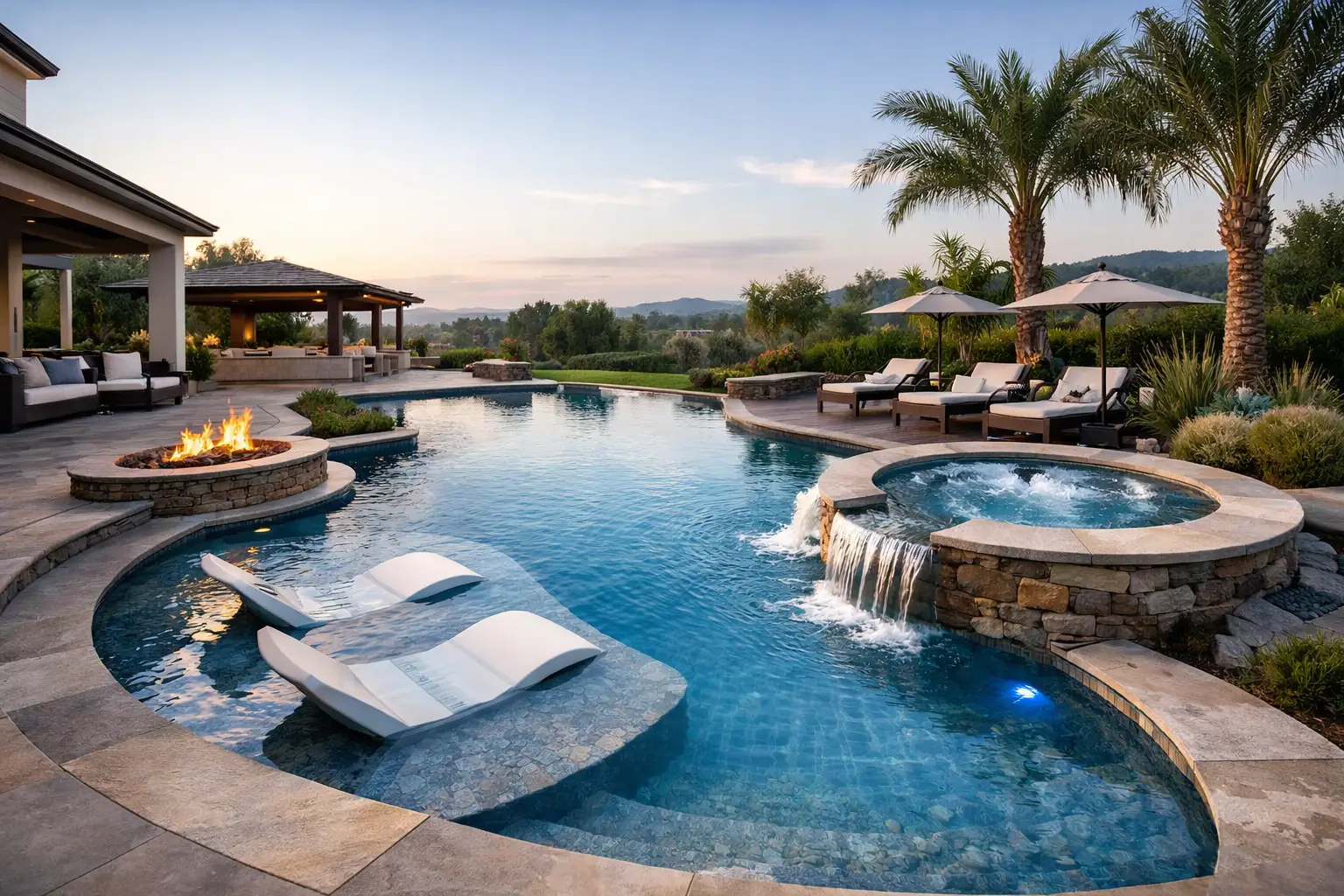
A great pool starts long before excavation. The best custom swimming pool designs are not built around a trend, a photo, or a single feature. They are built around how your family lives, how your yard functions, and how much time you want to spend enjoying the space versus managing it.
For homeowners across Tampa Bay, that distinction matters. Florida weather gives you more months to use a pool than many parts of the country, which means the design has to work hard year-round. It should feel beautiful on day one, but it also needs to make sense in August heat, during holiday gatherings, and on ordinary weeknights when the kids want to swim for half an hour before dinner.
What custom swimming pool designs really get right
A custom pool is not simply a pool with upgraded finishes. Real customization means the shape, depth, materials, features, and surrounding outdoor space are planned together. That is where the project shifts from a backyard addition to a true lifestyle upgrade.
For one family, that may mean a modern geometric pool with a raised spa, clean lines, and integrated lighting for evening entertaining. For another, it may mean a compact plunge pool with low-maintenance equipment and enough deck space for outdoor dining. Both are custom. Both can be luxury. The difference is that each one answers a different set of needs.
The biggest mistake homeowners make is assuming larger automatically means better. In many Tampa-area backyards, a better design is one that preserves lawn space, improves traffic flow, and gives every square foot a purpose. A pool should not dominate the yard unless that is exactly what you want. Often, the smartest design creates balance between water, shade, seating, cooking, and open space.
How to plan custom swimming pool designs around real life
The most successful projects usually begin with a few practical questions. Who will use the pool most often? Is this space primarily for entertaining, relaxing, fitness, or family time? Do you want a quiet retreat, a social centerpiece, or a little of both?
These questions shape almost every design decision. Families with young children may prioritize shallow lounge areas, clear sightlines from the house, and safety features that feel built in rather than added later. Homeowners who entertain often may care more about spillover spas, sun shelves, fire features, and the relationship between the pool and an outdoor kitchen.
There is also the question of maintenance. Some features look impressive but require more cleaning, more balancing, or more long-term upkeep. That does not make them a bad choice. It just means they should be chosen intentionally. A vanishing edge, intricate water features, or extensive glass tile can be stunning, but the right fit depends on your priorities, budget, and willingness to maintain the finish.
That is why design continuity matters. When one team handles design, construction, equipment planning, and ongoing service, the result is usually more cohesive. You are less likely to end up with a beautiful concept that becomes frustrating to own.
Design choices that make the biggest visual impact
Shape is often the first place homeowners focus, and for good reason. A geometric pool creates a crisp, architectural look that pairs well with contemporary homes and structured outdoor living spaces. Freeform pools feel softer and more relaxed, especially in yards designed for a resort-style atmosphere.
But visual impact comes from more than shape alone. Interior finish color affects how the water reads in the sun. Lighter finishes can create a bright, tropical feel, while darker finishes tend to produce a richer, more reflective look. Coping and paver selections also matter more than many homeowners expect. These materials frame the water and set the tone for the whole backyard.
Lighting is another design choice that deserves more attention. Good pool lighting changes how the space feels at night, improves safety, and extends the hours your family can use the backyard. The best lighting plans do not just illuminate the water. They support the entire environment, from steps and tanning ledges to nearby seating and landscape features.
Then there are the extras homeowners usually notice first in finished project photos – raised walls, scuppers, sunshelves, spa spillovers, fire bowls, and integrated benches. These features can elevate the space, but restraint often creates a more timeless result. A pool does not need every available upgrade to feel custom. It needs the right combination of features for the home and the people living in it.
The Tampa Bay factor
Designing in Florida comes with advantages, but it also comes with specific demands. Heat, humidity, strong sun, frequent rain, and storm season all influence material selection and layout. A design that looks good in a cooler climate may not perform the same way here.
Shade is a perfect example. In a rendering, a wide open deck can look clean and expansive. In practice, Tampa Bay homeowners often want a mix of sun and relief from the heat. Covered patio areas, pergolas, and thoughtful furniture zones can make the space far more usable during peak summer months.
Drainage and deck planning also deserve careful attention. Heavy rains can quickly expose poor grading decisions. A well-designed outdoor living space should handle Florida weather without creating puddling, runoff problems, or awkward transitions between the pool and patio.
This is one reason many homeowners prefer working with a full-service partner rather than piecing together designers, builders, and service providers on their own. A luxury backyard should feel easy to own, not complicated from day one. For families who want that level of accountability, Wahoo Pools brings design, build, renovation, and long-term care into one guided process.
Luxury means different things to different homeowners
In high-end pool design, luxury is not just about cost. It is about intention. Some homeowners want a dramatic visual statement the moment guests step outside. Others want privacy, calm, and everyday comfort.
A spa may be non-negotiable for one household and unnecessary for another. A plunge pool can be the perfect answer for a compact property or a homeowner who wants quick installation and lower maintenance. A larger pool with a connected outdoor kitchen and entertainment area may make more sense for families who host often.
This is where honest trade-offs matter. More waterline tile can create a polished finish, but it adds cost. More deck space improves flexibility, but it affects the overall footprint and budget. A deeper pool may feel more traditional, but many homeowners today get more use out of shallower designs with conversation areas, ledges, and open play space.
There is no single best layout. There is only the layout that best matches the way you want to live.
Renovation counts as custom too
Not every dream backyard starts from scratch. Many Tampa Bay homeowners already have a pool, but it no longer fits their style, safety needs, or maintenance expectations. In those cases, renovation can deliver the same personalized result as a new build.
Resurfacing, tile updates, coping replacement, deck redesign, equipment modernization, and the addition of spas or water features can completely change how an older pool looks and functions. Sometimes the smartest investment is not starting over. It is improving what is already there with a better plan.
That approach can be especially appealing for busy families who want a stronger visual finish and easier ownership without the scope of a total backyard rebuild. A dated pool can become a contemporary focal point when the design is handled with the same care as a new custom project.
A pool should still make sense five years from now
The strongest custom swimming pool designs hold up beyond the excitement of installation. They still feel practical after the first full summer, still look current after design trends shift, and still support your household as routines change.
That is why the planning stage matters so much. A family with young kids may want features that grow well over time. Empty nesters may prioritize comfort, low maintenance, and outdoor entertaining. Homeowners thinking about resale may care about broad appeal without sacrificing personal enjoyment.
Good design balances what you want now with what will continue to work later. It leaves room for real life. It supports your budget, your property, and your time. Most of all, it creates a backyard you will actually use instead of one you simply admire through the window.
When you approach your project that way, the right design tends to become clear. Not because it follows a trend, but because it fits your home so naturally it feels like it should have been there all along.