
Category Archives: Pool Construction

How to Plan a Backyard Resort That Lasts

How to Plan a Backyard Resort That Lasts

The difference between a backyard that looks good for a weekend and one that feels like a private resort for years usually comes down to planning. If you are wondering how to plan backyard resort features for your home, the best place to start is not tile, furniture, or even the pool shape. It is how you want the space to work on a normal Tuesday, a birthday party, and a quiet evening after work.

That mindset matters in Florida, where outdoor living is not a seasonal bonus. In the Tampa Bay area, your backyard has to handle heat, rain, strong sun, family traffic, and regular use. A true resort-style yard should feel beautiful, but it also needs to be comfortable, efficient, and easy to maintain.

How to plan backyard resort spaces around real life

Many homeowners begin with a single feature in mind, usually a pool or spa. That makes sense, but resort-style design works best when the full environment is planned together. A pool without enough deck space can feel crowded. An outdoor kitchen without shade may sit unused in the hottest months. Beautiful lighting will not fix a layout that makes guests walk across wet paths to reach the seating area.

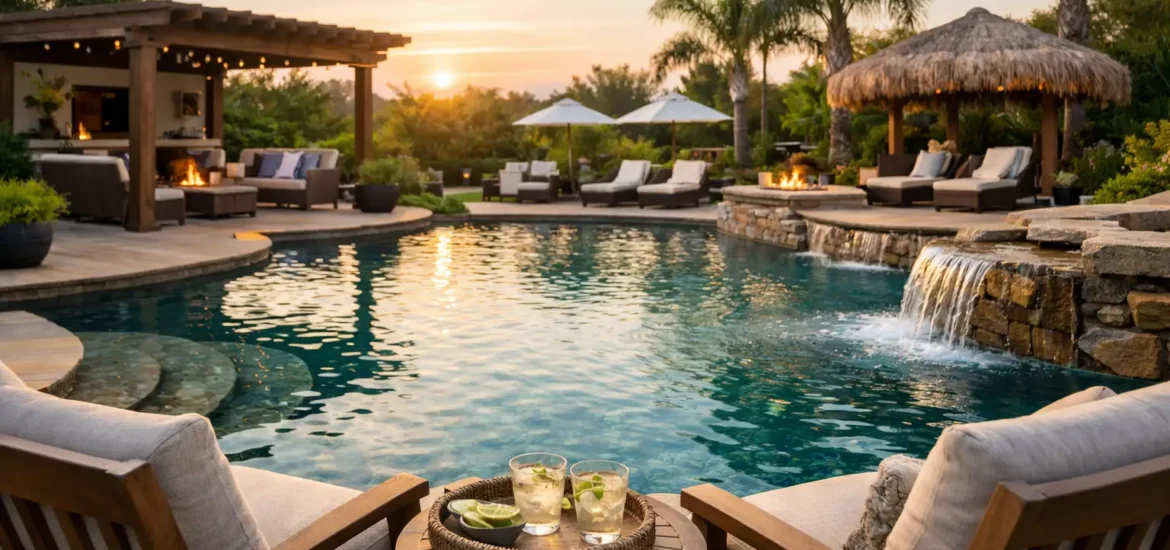
Start by thinking in zones. You may want a water zone with a pool, spa, sun shelf, or plunge pool. Then a social zone with dining, grilling, and lounge seating. Then a comfort zone with shade structures, fans, or covered patio space. In many backyards, the most successful layouts also include a transition zone where the home connects naturally to the outdoor living area.

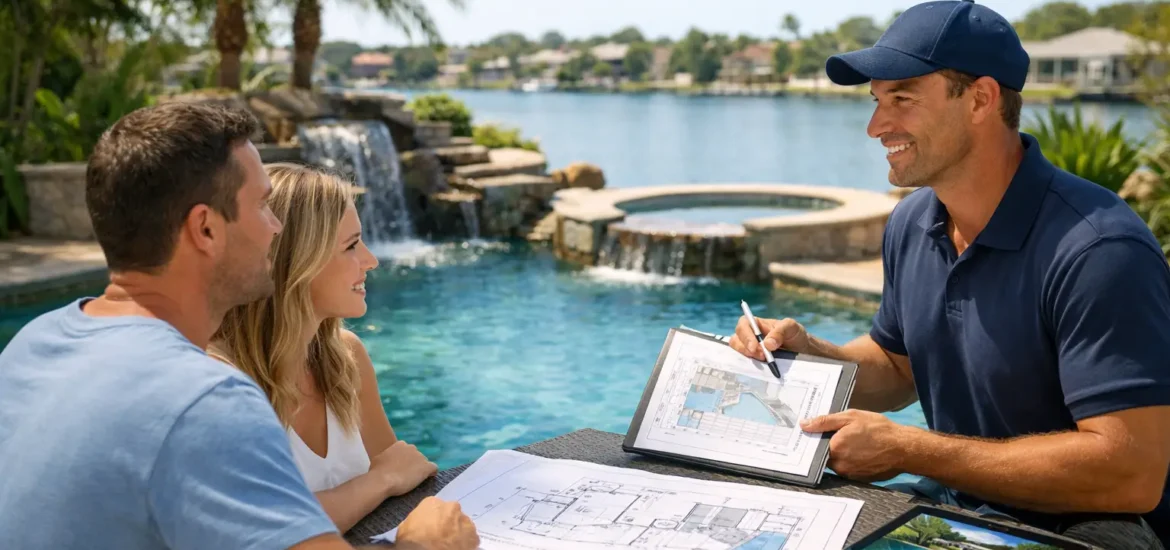
This is where professional planning saves time and expensive revisions. When one team is thinking through design, construction, equipment, and long-term care from the beginning, the result is usually more cohesive and less stressful for the homeowner.

Start with your priorities, not your wish list

A resort backyard can include almost anything, but not everything belongs in every project. Before you lock in features, decide what matters most to your household.

If your family wants active daily use, the pool layout should support swimming, play, and safe supervision. If the goal is entertaining, square footage around the pool and kitchen may matter more than deep water. If relaxation is the priority, a spa, tanning ledge, fire feature, and privacy elements might deliver more value than a larger pool footprint.

Budget plays a role here too, and this is where many projects go off track. Homeowners sometimes spread the budget across too many features, which can dilute the experience. In many cases, it is better to invest in fewer elements that are sized and finished properly than to force every idea into the same plan.

That does not mean scaling back the vision. It means building with purpose so the final space feels intentional rather than crowded.

Build the layout around movement and comfort

The best backyard resorts are easy to move through. That sounds simple, but it affects almost every design decision.

Think about how people will enter the yard, where they will set down towels or drinks, how close the dining area should be to the kitchen, and whether there is enough dry deck space near the pool. Consider where kids will play and where adults will want quieter seating. If you plan to entertain at night, think about how guests will circulate between the pool, patio, and house.

Comfort is just as important as flow. In Florida, shade is not optional if you want the space to be usable. Covered lanais, pergolas, strategic landscaping, and umbrella locations should be considered early, not added as an afterthought. Wind exposure, afternoon sun, and privacy from neighbors can all change how often a backyard gets used.

A resort feeling comes from ease. You should not have to work around your yard to enjoy it.

Pool size, shape, and water features

The pool is often the centerpiece, but bigger is not always better. The right size depends on your lot, your home’s architecture, setback requirements, and the role the pool will play.

A geometric pool can complement a contemporary home and create a crisp luxury look. A freeform design may feel softer and more relaxed. A plunge pool can be a smart choice for smaller yards or homeowners who want a quick-install option with a high-end feel. Spas, sunshelves, bubblers, and water bowls can add atmosphere, but every added feature should support the way you plan to use the space.

There is also a maintenance side to these choices. More features can create more visual impact, but they may also add to cleaning, equipment needs, and operating costs. That does not make them a bad investment. It just means the design should balance beauty with ownership reality.

Patios, kitchens, and gathering areas

A backyard resort is not only about water. It is about giving people a reason to stay outside longer.

Patio size matters more than many homeowners expect. Once you add lounge chairs, dining furniture, traffic paths, and grilling space, a small deck can feel cramped quickly. Outdoor kitchens are especially valuable for households that entertain often, but placement is key. Too far from the house and they become inconvenient. Too close to seating without ventilation planning and the cooking area can dominate the space.

Fire features can extend the use of the yard beyond pool season and create a strong focal point at night. They also pair well with lounge seating in a way that balances the cooler visual feel of water with something warm and inviting.

Choose finishes for Florida, not just for photos

A lot of materials look great at first glance. Not all of them perform well in Florida heat, rain, and year-round exposure.

When planning your resort backyard, ask how each finish will feel underfoot in summer, how it handles moisture, and how much upkeep it requires. Decking should be slip conscious and comfortable in strong sun. Pool tile and coping should fit the design, but they also need durability. Furniture and cabinetry need to stand up to weather and regular use.

This is one of the biggest differences between a project designed for inspiration photos and one designed for real life. The most successful resort spaces do not just photograph well. They age well.

Plan for lighting, privacy, and atmosphere

Luxury is often about what the space feels like after sunset. Good lighting makes a backyard safer, but it also changes the entire mood.

Pool lighting, step lights, soft uplighting on landscaping, and illumination around seating or dining zones can make the yard feel polished and welcoming. The goal is not to flood the space with brightness. It is to create depth, visibility, and warmth.

Privacy matters too. A backyard can be beautifully built and still not feel relaxing if neighboring windows or fences are too exposed. Landscaping, decorative screens, and thoughtful layout decisions can help create that tucked-away resort feel without making the yard feel closed in.

Think beyond construction day

One of the smartest ways to approach how to plan backyard resort projects is to think about ownership before construction begins. How will the pool be serviced? How often will the deck need cleaning? Are the systems efficient and easy to operate? Will your family want help with ongoing maintenance?

This is where convenience becomes part of the luxury experience. A beautiful backyard loses some of its appeal if upkeep becomes complicated or inconsistent. Choosing a partner that can design, build, renovate, service, and maintain the space creates continuity that homeowners appreciate long after the first swim.

For many families, that peace of mind matters just as much as the finished design. Wahoo Pools approaches backyard living that way, with a focus on building a complete environment and supporting it well beyond installation.

Work with a full-picture plan

A resort-style backyard is not a collection of upgrades. It is a coordinated experience built around your property, your lifestyle, and your comfort level with long-term care.

The right plan usually includes a few trade-offs. You may choose a smaller pool to make room for a better entertaining deck. You may invest in covered outdoor living before adding extra decorative features. You may decide that a plunge pool and spa combination fits your lot and schedule better than a larger traditional pool. Those are not compromises if they lead to a yard you use more often and enjoy more fully.

If you want your backyard to feel like an escape, plan it with the same care you would expect from a high-end resort. Start with how you live, build around comfort, and choose features that will still make sense years from now. The best backyard is not the one with the longest feature list. It is the one that feels right every time you step outside.
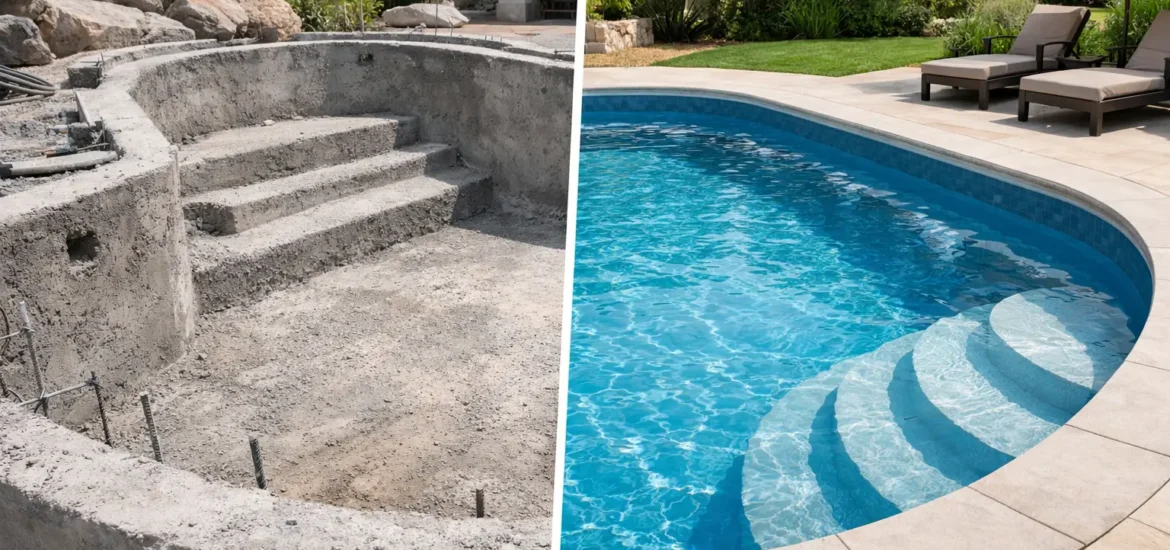
Modern Pool Design Guide for Florida Homes

Modern Pool Design Guide for Florida Homes

A beautiful pool can raise your home’s value, but the real goal is simpler than that – you want a backyard that feels good to live in. This modern pool design guide is built for Florida homeowners who want more than a basic rectangle in the ground. The best modern pools look clean and elevated, but they also fit the way your family relaxes, entertains, and keeps up with day-to-day maintenance.

Modern design is often mistaken for minimal design alone. In practice, the strongest modern pools balance clean lines with comfort, visual impact with durability, and luxury with everyday use. If you are planning a new pool or updating an older one, the right design choices should make your outdoor space feel intentional from every angle.

What modern pool design really means

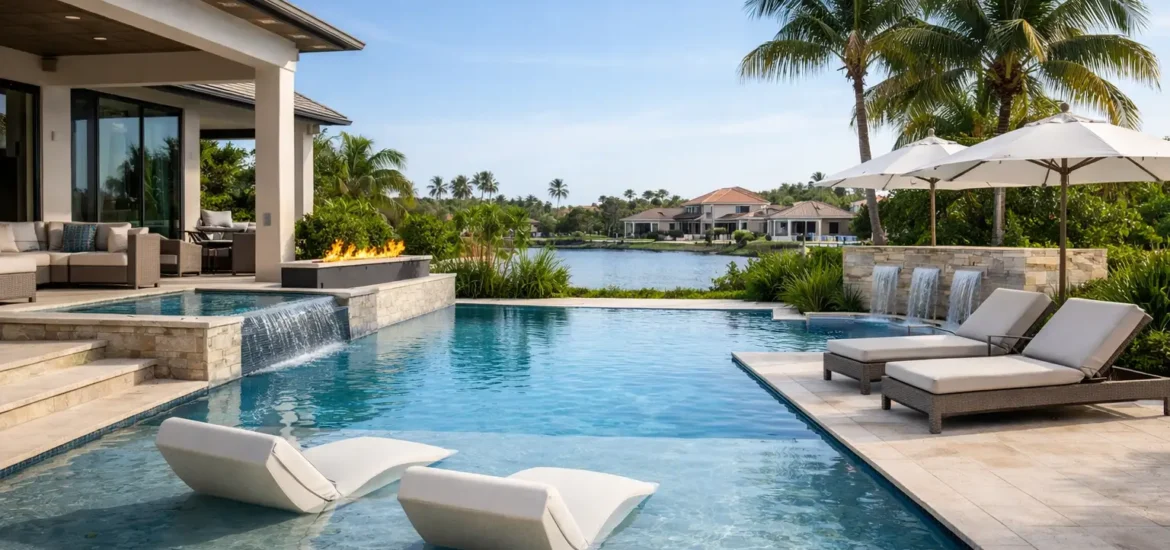
A modern pool is not defined by one shape, tile, or finish. It is defined by restraint, proportion, and how well each feature works together. That usually means strong geometry, integrated materials, and a layout that feels connected to the home rather than dropped into the yard as a separate project.

For many Tampa Bay homeowners, modern design also means creating a full backyard environment instead of focusing only on the pool shell. A spa, sun shelf, outdoor kitchen, fire feature, and patio can all belong in the same design language when they are planned together. That is where modern spaces tend to feel more polished than pieced together.

There is also a practical side to this style. Modern pools often use simpler forms and more efficient circulation layouts, which can make cleaning and long-term care more manageable. The visual result is high-end, but the day-to-day ownership experience should feel easier, not more complicated.

Start the modern pool design guide with layout

Before choosing finishes or water features, look at the layout. This is the part homeowners often rush, even though it has the biggest effect on how the finished project feels. A modern pool should respond to your home’s architecture, sightlines, yard shape, and how you plan to use the space.

If your home has strong horizontal lines, wide windows, or a contemporary patio, a linear pool layout often feels natural. If your lot is tighter, a plunge pool or compact geometric design may give you a more refined result than trying to force a large pool into limited space. Bigger is not always better. Proportion matters more.

Think about where you will spend time outside when you are not swimming. Do you want lounge space in full sun, a shaded conversation area, room for kids to play, or a direct visual focal point from inside the house? A modern pool works best when it supports those priorities instead of competing with them.

Shape, scale, and clean lines

Modern pools usually lean toward geometric shapes, but there is still room for variation. Rectangles remain popular because they pair well with contemporary homes and create a crisp, organized look. L-shaped pools can define separate activity zones. Narrow lap-style pools work well on side yards or long lots. Small plunge pools have also become a smart option for homeowners who want a luxury look without committing to a large footprint.

The key is discipline. Too many offsets, curves, and decorative flourishes can make a design feel dated quickly. Clean lines tend to hold up better over time, especially when paired with quality materials.

That said, modern does not have to mean cold. Scale, water color, lighting, and surrounding materials all soften the space. The goal is not starkness. It is clarity.

Materials make the difference

One of the fastest ways to elevate a pool design is through the finish palette. In a modern setting, materials should look intentional and cohesive. That usually means choosing fewer materials and using them well.

Large-format pavers, porcelain decking, natural stone accents, and streamlined coping profiles all contribute to a cleaner appearance. Glass tile can add a sleek finish at the waterline or on a raised spa wall, but it works best as a controlled accent rather than an overload of texture and color. Interior finishes in soft gray, deep blue, or refined white tones can shift the water color dramatically, so this choice deserves real attention.

Florida conditions matter here. A material that looks great in a showroom still has to handle sun exposure, rain, heat, and regular use. Some surfaces stay cooler underfoot than others. Some require more upkeep. Some show dirt, scale, or leaf debris more easily. A modern look should still be grounded in real-world performance.

Features that add luxury without clutter

The best modern pool features feel integrated. They do not look added on at the last minute. If you want a spa, tanning ledge, raised wall, or spillway, those elements should be part of the original design concept.

Sun shelves remain one of the most requested features for good reason. They create a resort-style look, give families a comfortable place to relax, and work well with loungers or shallow play space. Integrated spas continue to be popular because they add visual structure and year-round enjoyment. Fire bowls, linear fire features, and scuppers can also create a strong focal point when used carefully.

There is a trade-off, though. More features can mean higher construction costs, more equipment complexity, and more maintenance. A pool with every possible upgrade is not automatically better. Often, a few well-executed features create a much more luxurious result than trying to include everything.

Lighting and water effects in a modern pool design guide

Lighting is one of the most overlooked parts of pool design, and it is especially important in modern spaces. During the day, your pool should feel crisp and inviting. At night, it should feel calm, elegant, and safe.

LED lighting gives homeowners flexibility in color and mood, but many modern projects look best with a restrained approach. Soft white or subtle color changes usually age better than dramatic, constantly shifting effects. Landscape lighting around the pool should also support the architecture and outdoor living areas instead of drawing attention in too many directions.

Water features should follow the same rule. A clean sheet waterfall or a simple spillway can add movement and sound without overwhelming the design. If the visual language is modern, the feature should be precise and controlled.

Design for the way you actually live

A pool can look stunning on paper and still miss the mark if it does not fit your household. Families with children may want generous shallow space, step visibility, and room for active use. Couples who entertain may care more about integrated seating, a spa, and a patio flow that supports dining and conversation. Homeowners renovating an older pool may prioritize easier upkeep and equipment upgrades over expanding the footprint.

This is where a real modern pool design guide should be honest: trends matter less than lifestyle fit. Infinity edges, dark finishes, and dramatic raised walls can look incredible, but they are not right for every property or every budget. A successful design reflects how you want to use the space on a Tuesday afternoon, not just how it photographs on installation day.

Don’t separate design from maintenance

One of the smartest things you can do during planning is ask how each design decision affects long-term care. Contemporary pools often appear simple, but the details behind that simplicity matter. Waterline tile choice, decking texture, equipment placement, drainage, and circulation planning all affect how the pool performs over time.

For example, sleek surfaces with fewer visual breaks can be easier to clean, but certain finishes may show water chemistry issues faster. Decorative edges and specialty features can add visual appeal, but they may create more areas that collect debris. Even the size of the pool influences heating, cleaning, and chemical costs.

That is why design-build continuity matters. When the same team is thinking about concept, construction, equipment, and future service, the result is usually more cohesive. Homeowners do not just need a beautiful plan. They need a pool they can enjoy without constant frustration.

Bringing the whole backyard together

The strongest pool projects do not stop at the waterline. A modern pool looks best when the surrounding patio, kitchen, seating areas, and landscape plan feel connected. This does not mean every surface must match. It means the space should feel like one finished environment.

In Florida, shade planning is especially important. Pergolas, covered lanais, and thoughtful seating zones can make the backyard more usable through long summer months. Outdoor kitchens and fire features extend the value of the space beyond swimming alone. When these elements are designed as part of the same vision, the backyard feels more custom and more complete.

For homeowners who want a guided experience, working with one company from concept through long-term care can remove a lot of uncertainty. Wahoo Pools approaches backyard design that way because the best results come from treating the pool, hardscape, features, and maintenance plan as one connected investment.

A modern pool should feel current, but it should also feel right for your home five and ten years from now. If your design choices are grounded in layout, proportion, material quality, and the way your family actually lives, you will not need a flashy trend to make the space feel special. You will simply step outside and know it was designed well.

Gunite vs Fiberglass Pools: Which Fits?

Gunite vs Fiberglass Pools: Which Fits?

A backyard pool in Florida is not a once-a-decade whim. It is part of how your family lives, entertains, and cools off for years to come. That is why the choice between gunite vs fiberglass pools deserves more than a quick price comparison. The right answer depends on your lot, your design goals, your timeline, and how hands-on you want to be after the pool is finished.

For many Tampa Bay homeowners, this decision comes down to one simple question: do you want maximum design freedom, or do you want speed and simplicity? Both pool types can create a beautiful outdoor living space. The difference is how they get there and what ownership feels like over time.

Gunite vs fiberglass pools at a glance

Gunite pools are concrete pools built on-site. They are highly customizable in shape, size, depth, finish, and features. If you want a fully tailored backyard with a tanning ledge, custom spa, perimeter overflow, dramatic lighting, or a pool that wraps around your patio layout, gunite usually gives you the most freedom.

Fiberglass pools arrive as pre-manufactured shells that are installed into an excavated space. Because the shape is set in advance, the design process is more limited. Still, fiberglass can be an attractive option for homeowners who want a streamlined installation and a smooth, low-maintenance surface.

Neither is universally better. Gunite tends to win on customization and luxury design potential. Fiberglass often appeals to homeowners who prioritize fast installation and simpler upkeep.

Design flexibility matters more than most homeowners expect

This is where gunite often pulls ahead, especially for upscale outdoor living projects. A custom backyard rarely revolves around the pool alone. You may be planning a spa, sun shelf, water features, fire elements, an outdoor kitchen, or a patio layout that needs to feel cohesive from every angle.

With gunite, the pool is built to fit the space instead of asking the space to fit the pool. That is a big advantage on unusual lots, smaller backyards, or properties with specific views and elevation changes. If your goal is a resort-style look that feels integrated with the architecture of your home, gunite gives your design team much more room to work.

Fiberglass shapes have improved over the years, and many are sleek and attractive. But you are still choosing from available molds. If one of those sizes works beautifully for your yard, great. If not, compromises can show up quickly – whether that means giving up the Baja shelf you wanted or settling for a footprint that does not maximize the space.

Installation timeline and construction experience

Fiberglass usually has the advantage when timing is the top priority. Because the shell is manufactured off-site, installation can move faster once the product arrives and the site is ready. For homeowners who want a more predictable schedule and fewer moving parts, that can be appealing.

Gunite takes longer. It is a more involved construction process with excavation, steel, plumbing, shotcrete application, curing, finishing, tile, coping, decking, and startup. That timeline can feel like a drawback if you are only looking at the calendar.

But the bigger picture matters. A custom gunite project often includes a broader outdoor transformation, not just a pool dropped into the yard. If you are already investing in a full backyard experience, a longer timeline may be worth it to get the layout, features, and finish exactly right.

In other words, faster is not always better. Better fit can be the real value.

Cost is more than the initial build price

When comparing gunite vs fiberglass pools, homeowners often start with upfront cost. Fiberglass pools can be less expensive in some cases, particularly if the design is straightforward and the site conditions are favorable. A standard shell with limited custom work may offer a lower entry point.

Gunite pools often cost more at the start because you are paying for custom construction, labor, and design flexibility. The more tailored the project, the more that investment reflects your choices.

That said, focusing only on installation price can be misleading. Long-term value comes from how well the pool fits your property, how much enjoyment your family gets from it, and whether it supports the style of backyard you really want. A pool that feels like a compromise can be expensive in a different way.

For homeowners thinking about resale, a well-designed custom pool can also make a stronger visual statement. In markets like Tampa Bay, where outdoor living is part of the lifestyle, design quality matters.

Maintenance and surface feel

Fiberglass is often praised for its smooth surface and lower day-to-day maintenance demands. The gelcoat finish resists algae better than rougher surfaces, and many homeowners like the softer feel underfoot. That can mean less brushing and a somewhat simpler care routine.

Gunite requires more attention over time. Concrete surfaces are more porous, which can make them more prone to algae if chemistry and cleaning are neglected. Surface finishes also vary, and some textures are rougher than fiberglass.

Still, this is where professional service changes the conversation. If you plan to maintain the pool on your own, fiberglass may feel easier. If you want expert support after the build, gunite becomes much less intimidating. Many homeowners are happy to choose the pool they really want when they know ongoing care is part of the plan.

Durability in Florida conditions

Florida pool ownership comes with its own realities – heat, heavy rain, shifting soils, and long swim seasons. Both gunite and fiberglass can perform well here when installed properly, but they behave differently.

Gunite has a reputation for strength and longevity. It is a proven option for custom luxury pools and can handle complex designs, larger footprints, and integrated features very well. Over the long term, gunite surfaces may need refinishing, but the structural system itself is built for permanence.

Fiberglass shells are durable too, but they depend heavily on correct installation and soil conditions. In some situations, concerns about shell movement or fit can become more relevant, especially on sites with unique engineering challenges. That does not make fiberglass a poor choice. It just means site evaluation matters.

For many higher-end projects, gunite offers more confidence when the design is ambitious and the property calls for a tailored approach.

Features, finishes, and the luxury factor

If your vision includes more than a basic rectangle, gunite usually opens more doors. Infinity edges, custom spas, deep-end transitions, oversized sun shelves, beach entries, special tile details, and dramatic geometric layouts are all easier to execute in gunite.

That flexibility matters because today’s pool is rarely a standalone feature. It is part of an outdoor living environment. The pool needs to work with the patio, the pergola, the fire feature, and the way your family actually uses the yard.

Fiberglass can still look polished and modern, but it is typically less adaptable when you are aiming for a highly personalized design. If your goal is a true statement backyard, gunite usually aligns better with that level of ambition.

Which pool type is right for you?

If you want the shortest path to pool ownership, prefer a more standardized design, and value low-maintenance surfaces, fiberglass may be the better fit. It can be a smart choice for households that want simplicity and have a yard that matches available shell sizes.

If you want a pool designed around your home, your family, and the way you want to live outside, gunite often makes more sense. It is especially strong for homeowners who are thinking beyond the pool itself and planning a complete backyard experience.

That is why so many custom projects in the Tampa Bay area lean toward gunite. The climate supports year-round outdoor living, and homeowners are not just buying a place to swim. They are building a retreat, a gathering space, and a long-term upgrade to the way they use their home.

At Wahoo Pools, we see this decision as part of a larger design conversation, not a product comparison on a spreadsheet. The best pool is the one that fits your property, your priorities, and your vision for years ahead.

If you are weighing gunite vs fiberglass pools, start with the life you want in your backyard, not just the shell that goes in the ground. That is usually where the right answer becomes clear.

How to Choose Pool Builders in Tampa Bay

How to Choose Pool Builders in Tampa Bay

A beautiful pool can raise the value of your home, change how your family spends time together, and turn an ordinary backyard into the best part of the property. But the experience depends heavily on the pool builders you choose. In Tampa Bay, where outdoor living is part of daily life for much of the year, hiring the right team is not just about getting a pool installed. It is about getting a space that fits your home, your budget, and the way you actually want to live.

That is where many homeowners get stuck. One builder promises speed. Another advertises the lowest price. A third has impressive photos but vague answers about timelines, permits, or long-term care. If you are making a major investment, you need more than a sales pitch. You need a builder who can guide the process from concept to completion and still be there when the pool is in use.

What separates great pool builders from average ones

The best pool builders do more than excavate, pour, and finish. They help you make smart decisions before construction starts, because those decisions affect everything from appearance to maintenance costs for years to come.

A strong builder will ask how you plan to use the space. Some families want a resort-style setting with a spa, sun shelf, fire features, and outdoor kitchen. Others want a compact plunge pool that cools off fast, looks sharp, and fits a tighter footprint. Those are very different projects, and a builder who treats them the same is usually focused on selling a package instead of designing the right outcome.

You should also expect clarity around process. In Florida, pool construction involves design, engineering, permitting, scheduling, inspections, and coordination across multiple trades. When one company owns that full journey, communication is easier and accountability is clearer. When responsibilities are split across several vendors, delays and finger-pointing become more likely.

Why local experience matters in Tampa Bay

Not all markets are the same, and Tampa Bay comes with its own realities. Soil conditions, drainage, lot sizes, HOA expectations, and storm-season planning all shape how a pool should be designed and built.

Pool builders with local experience understand how to design for Florida living. They know that families often want outdoor spaces that work year-round, not just a pool by itself. Shade structures, screened enclosures, slip-resistant decking, equipment placement, and lighting all matter because the backyard is doing more than one job. It is where kids play, where friends gather, and where homeowners expect both style and function.

Local knowledge also helps when timelines tighten. Permitting and inspection processes can vary by municipality, and an experienced team is usually better prepared to keep the project moving. That does not mean every build is fast or simple. It means the builder knows how to anticipate common issues before they become expensive surprises.

Questions to ask pool builders before you sign

Price matters, but it should never be the only filter. A low bid can hide missing features, weaker materials, or service gaps that show up later. A better approach is to look at scope, support, and long-term value together.

Ask who handles design, permits, and construction management. Ask whether the builder also offers renovation, equipment service, and regular maintenance after the project is complete. Ask what is included in the proposal and what often becomes an upgrade later. If you are comparing two bids, make sure you are comparing the same tile allowance, deck square footage, automation package, and finish quality.

You should also ask how communication works once construction starts. Homeowners feel more confident when they know who to call, how updates are shared, and what happens if weather or inspections affect the schedule. A good answer will sound organized and specific, not generic.

Red flags when comparing pool builders

A builder does not need to be the cheapest to be affordable, and they do not need to promise the fastest timeline to be efficient. In fact, extreme promises are often where trouble begins.

Be cautious if a company avoids detailed written proposals, downplays the permit process, or seems unable to explain the construction sequence in plain language. Another warning sign is when the conversation stays focused on the sale and never gets into ownership. Pools require care. Equipment needs service. Finishes age. If a builder has no real plan for supporting the pool after startup, that matters.

You should also pay attention to design fit. A portfolio full of outdated shapes and basic layouts may not match the kind of modern backyard many Tampa Bay homeowners want today. On the other hand, luxury visuals without practical planning can create a beautiful project that is harder and more expensive to maintain.

The value of full-service pool builders

For many homeowners, the biggest advantage is convenience. Managing separate companies for design, construction, deck work, water features, and future service can turn an exciting project into a part-time job. Full-service pool builders simplify that process.

When one team designs your pool and the surrounding outdoor environment, the final result tends to feel more cohesive. The pool shape works with the patio. The lighting supports the layout. The spa, kitchen, or fire feature feels integrated instead of added on later. That continuity matters if you are investing in a premium backyard experience rather than just checking off a project.

It also matters after the build. A company that can maintain your dream is often better positioned to build it well in the first place. They know what causes service calls. They understand equipment reliability. They can steer you toward materials and systems that fit your lifestyle, whether you want hands-on control or a simpler ownership experience.

Pool builders and the real cost of ownership

A pool budget should include more than the initial contract. Smart homeowners look at operating costs, upkeep, and future needs before finalizing the design.

For example, larger pools can create a striking visual impact, but they also require more water, more chemicals, and more time to maintain. High-end features add enjoyment, but they may also add complexity. That does not mean you should avoid them. It means your builder should help you weigh appearance against day-to-day ownership.

This is especially important for busy families. If your household wants a backyard retreat without constant hands-on care, automation, efficient equipment, and a dependable maintenance plan may be just as valuable as upgraded finishes. The right builder will talk about those trade-offs early, not after the pool is complete.

Choosing pool builders for new builds and renovations

Some homeowners are starting from scratch. Others already have a pool that feels dated, inefficient, or out of step with the rest of the home. The right pool builders should be equipped for both.

A new custom build gives you the freedom to design around how you live now. Maybe that means a contemporary geometric pool, a compact plunge pool with a quick install timeline, or a full outdoor-living setup with entertainment features built in. The goal is not to copy a trend. It is to create a space that feels right for the property and practical for the family using it.

Renovation requires a different kind of expertise. Older pools often need more than new tile and coping. Equipment updates, resurfacing, deck improvements, lighting, and layout changes can all be part of bringing the space back to life. A renovation partner should be able to identify what is cosmetic, what is structural, and where spending more will deliver the best return.

What the best pool builders deliver

At the end of the day, homeowners want confidence. They want to know their investment is being handled by professionals who understand design, construction, and long-term care. They want a finished backyard that feels elevated, functional, and built for real life in Florida.

That is why choosing pool builders is less about finding a contractor and more about choosing a partner. A dependable team helps you design your dream with a clear plan, build your dream with accountability, and maintain your dream with reliable support after the final walkthrough. For many Tampa Bay families, that level of guidance is what turns a stressful project into an exciting one.

If you are ready to transform your backyard, take your time with the decision. Ask better questions. Look beyond the sales pitch. The right builder will not just promise a great pool. They will help you create an outdoor space you will be glad to come home to for years.

Why Is Pool Water Cloudy? Common Causes

Why Is Pool Water Cloudy? Common Causes

You look outside, the sun is hitting the water just right, and instead of a clean blue finish, your pool looks dull, hazy, or milky. If you are asking, why is pool water cloudy, the good news is that this is a common issue and usually a fixable one. The key is figuring out whether the problem is chemical, mechanical, environmental, or a mix of all three.

Cloudy water is more than a cosmetic issue. It can signal poor filtration, unbalanced chemistry, early algae growth, or a sanitation problem that makes swimming less inviting and, in some cases, less safe. For Tampa Bay homeowners, heat, heavy rain, pollen, and year-round pool use can all make cloudy water show up faster than expected.

Why is pool water cloudy in the first place?

In simple terms, pool water turns cloudy when tiny particles are suspended in the water and your system is not removing them fast enough. Those particles might be dirt, body oils, sunscreen, calcium, dead algae, or debris too fine for the filter to catch easily. Sometimes the water chemistry causes minerals to come out of solution, which creates that milky look.

What makes this tricky is that cloudy water rarely has just one cause. A pool can have slightly high pH, an overworked filter, and a recent rainstorm all at once. That is why quick guesses do not always solve it.

The most common causes of cloudy pool water

Poor water balance

Chemistry is often the first place to look. If your pH is too high, chlorine becomes less effective, which means contaminants can build up in the water. High total alkalinity can contribute to the same problem, and high calcium hardness can leave water looking cloudy or chalky.

Low sanitizer is another major culprit. When chlorine levels drop, the pool cannot keep up with organic contaminants from swimmers, leaves, pollen, and Florida weather. Sometimes the water is not green yet, but it is heading in that direction.

This is one reason routine testing matters. Cloudy water can appear before there is an obvious algae bloom, giving you a chance to correct the issue early.

Filtration problems

Your filter is supposed to remove the fine particles that make water look hazy. If it is dirty, undersized, damaged, or simply not running long enough, those particles stay in circulation.

A clogged cartridge, a sand filter that needs backwashing, or a DE filter needing maintenance can all reduce water clarity. So can worn filter media. Even a clean pool can look cloudy if the filtration system is not doing its job efficiently.

Run time matters too. During periods of heavy use, intense heat, or after a storm, the pool may need longer circulation to clear the water fully.

Heavy swimmer load and everyday residue

A busy family weekend can change water quality faster than many homeowners expect. Sunscreen, lotions, sweat, cosmetics, and body oils all add contaminants to the water. If chlorine demand rises and the system does not keep up, cloudiness can follow.

This does not mean people are using the pool wrong. It just means the pool needs support after heavier use, especially in warm climates where pools stay active most of the year.

Early or dead algae

Algae does not always start as bright green water. In the early stage, it can simply make water look dull or cloudy. If you recently shocked the pool, cloudy water may actually be dead algae that is still waiting to be filtered out.

This is where patience and proper follow-through matter. Killing algae is one step. Removing the dead material from the water is another.

Weather and environmental debris

In Florida, storms can change pool chemistry in a hurry. Rainwater can dilute sanitizer, introduce debris, and shift pH. Wind can bring in dust, mulch, pollen, and leaves. Even if the pool looked perfect the day before, one stormy afternoon can leave it cloudy.

Seasonal pollen is another common issue in the Tampa Bay area. Those very fine particles can be difficult for some systems to catch right away, especially if the filter is already overdue for service.

Calcium and dissolved solids

If your pool water looks more milky than dirty, mineral content may be part of the problem. High calcium hardness can cause scale and cloudiness, especially when pH rises. Over time, dissolved solids from chemicals, debris, and evaporation can also reduce water clarity.

This is one of those issues where adding more chemicals without proper testing can make things worse. The right fix depends on what the water is actually doing.

How to clear cloudy pool water

The best approach is systematic. Start with a full water test rather than treating based on appearance alone. Check chlorine, pH, total alkalinity, and calcium hardness. If those numbers are off, correct them first. Often, restoring balance solves more of the problem than homeowners expect.

Next, inspect the filter and circulation system. Clean or backwash the filter as needed, empty skimmer and pump baskets, and make sure water is moving properly. If the pressure is unusually high or low, that can point to a filtration issue that needs attention.

Brush the walls and floor, then vacuum the pool. If cloudiness is tied to algae, dust, or fine debris, brushing helps suspend material so the filter can capture it. In some cases, vacuuming to waste may be the better choice if there is a heavy amount of fine debris.

You may also need to shock the pool, but only when the test results support it. Shock is useful when sanitizer is low or organic contamination is high. It is not a cure-all for every cloudy pool. If the water is cloudy because of high calcium or poor filtration, shock alone will not solve it.

After treatment, run the pump continuously for 24 hours or longer if needed. Clear water is often a process, not an instant result. The timeline depends on the cause, how severe the issue is, and whether the equipment is performing as it should.

When cloudiness points to a bigger problem

Sometimes cloudy water is a one-time cleanup. Other times, it keeps coming back. If you have balanced the water, cleaned the filter, and increased circulation but the haze returns, there may be a deeper issue.

An aging filter, failing pump, hidden algae, poor hydraulic design, or scale buildup inside the system can all contribute to recurring clarity problems. Renovated pools and older equipment setups can be especially prone to this if maintenance has been inconsistent.

That is also where professional eyes can save time. An experienced pool team can tell the difference between a simple chemistry adjustment and a system that needs repair, upgrade, or a more complete maintenance plan.

How to prevent cloudy water from coming back

Consistent care almost always beats emergency treatment. Regular testing, scheduled filter cleaning, proper circulation, and timely chemical adjustments keep small issues from turning into cloudy water weekends.

For busy households, this matters. A luxury backyard should feel ready when you want to use it, not like another item on the home maintenance list. That is why many homeowners choose ongoing pool service after a new build or renovation. Reliable maintenance protects the look of the water, the life of the equipment, and the overall experience of owning the pool.

It also helps to stay ahead of known trouble spots. After storms, heavy use, or stretches of intense heat, your pool may need extra attention. A little prevention at the right time is much easier than correcting badly clouded water later.

When to call a pool professional

If the water is still cloudy after basic balancing and filter cleaning, or if the problem returns again and again, it is time to bring in a professional. The same goes for cloudy water paired with strong chlorine smell, eye irritation, visible algae, scaling, or equipment concerns.

For homeowners who want their backyard to look polished and swim-ready year-round, expert service brings peace of mind. Wahoo Pools helps Tampa Bay families not only design and build beautiful pools, but maintain them with the same attention to quality and long-term performance.

A clear pool should feel effortless. If yours does not, the right solution is usually closer than it looks – and catching the issue early keeps your backyard retreat looking the way it should.

1 2 3 6