
A 90 day pool installation is not about rushing the work that matters. It is about having a clear plan, experienced coordination, and the right pool design from the start. For Tampa Bay homeowners ready to trade an underused lawn for a place to gather, swim, relax, and entertain, a focused construction schedule can make that transformation feel much closer.
The key is understanding what the 90-day timeframe means, what must happen before construction begins, and which decisions help keep a project on track. A pool is a major addition to your home, but the process should feel guided, not overwhelming.
What a 90 Day Pool Installation Usually Includes
A 90-day schedule generally refers to the active building period after the design, contract, permitting, and preconstruction requirements are in place. It is a fast, organized path for homeowners whose project fits the program, not a promise that every possible backyard concept can be completed on the same timetable.
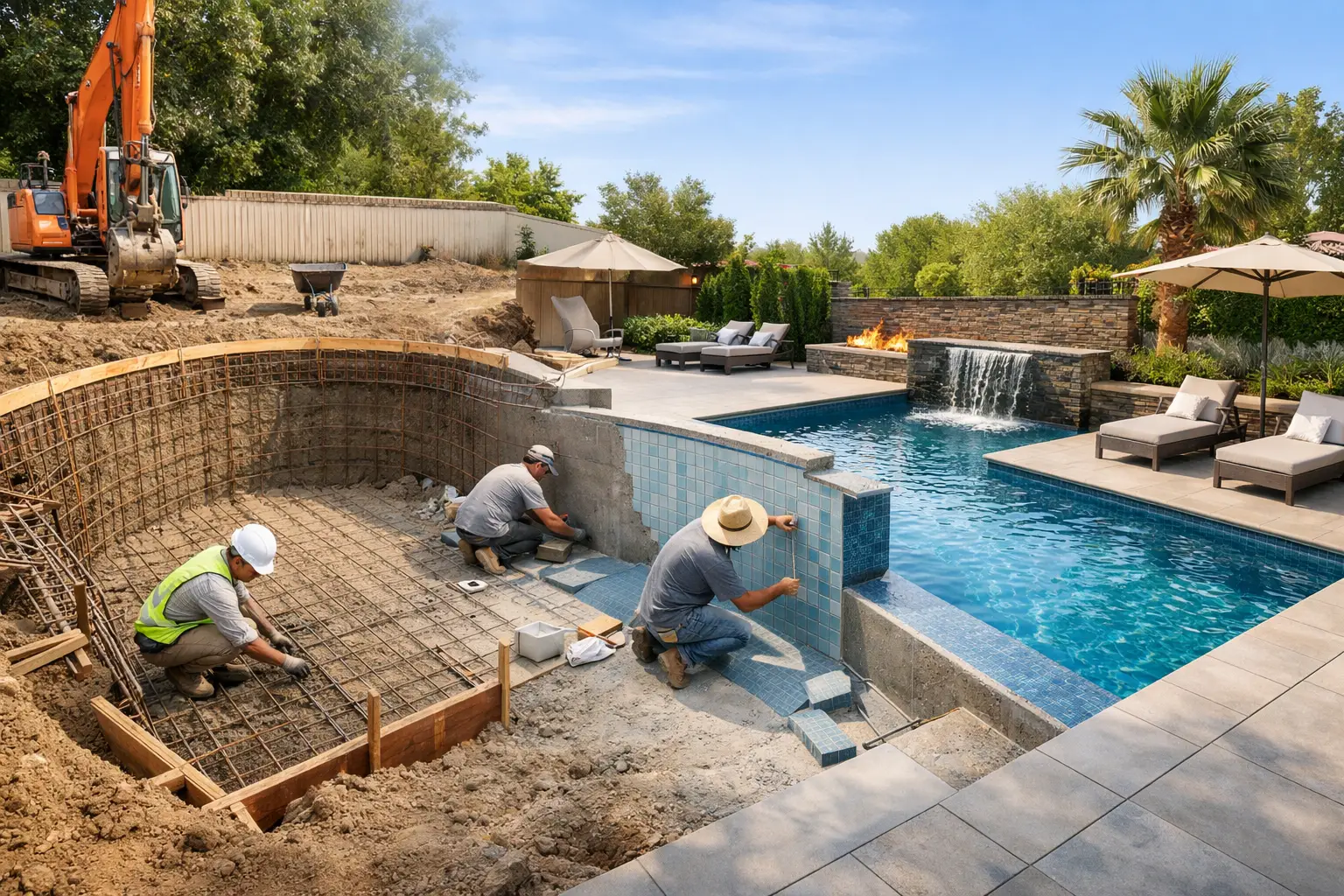
A well-planned installation often moves through excavation, structural work, plumbing and electrical rough-ins, deck preparation, interior finish work, equipment startup, and final inspections. Many projects also include a spa, sun shelf, lighting, and a thoughtfully designed patio area. The exact sequence changes based on your property and selections, but the goal stays the same: keep the right crews moving at the right time without sacrificing quality.
For a family, that means fewer months of looking at a construction zone and more time enjoying the finished backyard. For busy homeowners, it also means having one experienced team coordinate the details instead of trying to manage multiple contractors on their own.
The Work That Happens Before Day One
The fastest build schedules are earned before excavation begins. Early planning is where a pool contractor identifies the conditions that can affect timing, budget, and design possibilities.
Your initial consultation should consider how you want to use the space. Is the pool primarily for children and weekend gatherings? Do you want a peaceful place to cool off after work? Are you building a full outdoor living environment with a spa, fire feature, kitchen, or covered patio? These answers shape the size, depth, layout, finish materials, and equipment package.
A site evaluation is equally important. In Tampa Bay, factors such as lot access, drainage, easements, tree placement, existing utilities, and property setbacks all matter. Some yards are ideal for a streamlined build. Others need additional engineering, demolition, drainage solutions, or utility work before the pool can move forward.
Permitting also deserves realistic expectations. Local jurisdictions, HOA approvals, and inspection schedules can influence the calendar. A reputable builder will help you understand the approval process early, rather than presenting a 90-day target as though it begins before the necessary permissions are in place.
Design decisions that keep momentum
Indecision is one of the easiest ways to slow a project. Before construction starts, finalize the major items: pool shape, waterline tile, interior finish, decking, coping, equipment, lighting, and any integrated features.
That does not mean you must choose a plain pool. Contemporary details can fit beautifully within a quick-install approach when they are specified early and sourced properly. A clean geometric pool, tanning ledge, raised spa, LED lighting, and coordinated pavers can create a resort-style result without introducing last-minute changes.
Custom details with long lead times may extend the schedule. Specialty stone, highly customized water features, complex outdoor kitchens, and substantial structural changes can all be worthwhile, but they should be discussed honestly. The best design is not simply the fastest one. It is the one that fits your lifestyle, property, investment range, and desired completion date.
The Construction Timeline, Phase by Phase
Once approvals are secured and selections are complete, the visible transformation begins quickly.
Days 1-15: Preparation and excavation
The construction team prepares access to the backyard, confirms layout, and marks the pool footprint. Excavation is often the moment homeowners realize just how much their yard is about to change. The hole may look larger or deeper than expected at first, but it reflects the structure, plumbing, and finished elevations required for the design.
This phase can reveal hidden conditions, including unexpected soil, rock, old landscaping materials, or utility conflicts. An experienced builder addresses these findings directly and explains what they mean for the plan. Clear communication matters most when a project needs an adjustment.
Days 16-40: Structure, plumbing, and electrical
After excavation, the pool takes its permanent form. Steel reinforcement is installed, along with the plumbing lines that will circulate and filter the water. Electrical components, bonding, and lighting provisions are placed according to code and project specifications.
For concrete pools, the structural shell is then applied. This is a critical stage, not a corner to cut when working toward a quicker completion. The shell needs appropriate time to cure before subsequent finishes are added. Meanwhile, other behind-the-scenes coordination can continue so the project keeps advancing.
Days 41-65: Tile, coping, decking, and features
Once the structure is ready, your material selections begin to define the look of the space. Waterline tile adds color and character. Coping creates a finished edge around the pool. Pavers, travertine, or other decking materials turn the surrounding area into a usable outdoor room.
This is also when features such as a spa spillway, sun shelf, fire bowl, or water feature become more visually apparent. If you are adding an outdoor kitchen or larger patio expansion, coordination becomes especially important. These additions can create a more complete backyard destination, though their complexity may affect the timeline.
Days 66-90: Finish, fill, startup, and final details
The interior finish is applied near the end of construction, giving the pool its final color and texture. The pool is filled, equipment is started, and the water chemistry is balanced. Final inspections and any required punch-list work follow.
This last stage is about more than turning on the pump. Homeowners need to understand how their pool operates, how to care for the water, and what each piece of equipment does. The right handoff makes ownership feel manageable from the first swim, especially for first-time pool owners.
What Can Affect the 90-Day Schedule?
Florida weather is part of pool construction reality. Heavy rain can delay excavation, decking, concrete work, and inspections, particularly during summer storm patterns. A dependable construction team builds contingencies into the plan and communicates promptly when weather changes the sequence.
Material availability can also matter, especially when a project includes specialty finishes or custom features. So can late design changes. Moving a spa, changing the deck material, or adding a new feature after work is underway may require revised drawings, added materials, or a different construction sequence.
Your property itself plays a role. Limited access, complex grading, a challenging soil condition, or a tight backyard can call for extra planning. None of these conditions automatically prevent a fast installation. They simply mean that an accurate schedule should be based on your actual yard, not a generic estimate.
How Homeowners Can Help Keep the Project Moving
The most useful thing a homeowner can do is make timely decisions and stay available for questions. Confirm finishes before ordering, review plans carefully, and let your builder know early about travel dates or access restrictions that could affect the work.
It also helps to prepare the yard before the crew arrives. Remove personal items from the construction path, discuss pet and child safety plans, and understand where materials or equipment may be staged. Construction is temporary, but a little preparation makes daily life easier while work is underway.
Choose a builder that can support you after completion, too. A pool needs consistent service, seasonal attention, and occasional equipment expertise. Wahoo Pools can carry that relationship from design and construction into maintenance, giving homeowners one accountable team for the life of their backyard investment.
A Faster Path to the Backyard You Will Actually Use
A 90-day timeline works best when speed and intention work together. The goal is not to force every project into the same mold. It is to create a beautiful, dependable pool through disciplined planning, smart selections, and skilled construction.
If you are considering a pool for your Tampa Bay home, begin with the way you want your family to live outdoors next season. A clear vision today gives your new backyard the best chance to be ready when those long Florida afternoons call for it.