Saltwater Pool Tampa Guide: Salt vs Chlorine Pools
Deciding between a saltwater pool Tampa homeowners love and traditional chlorine? Learn how Florida heat, rain storms, and salt cells impact maintenance and costs.
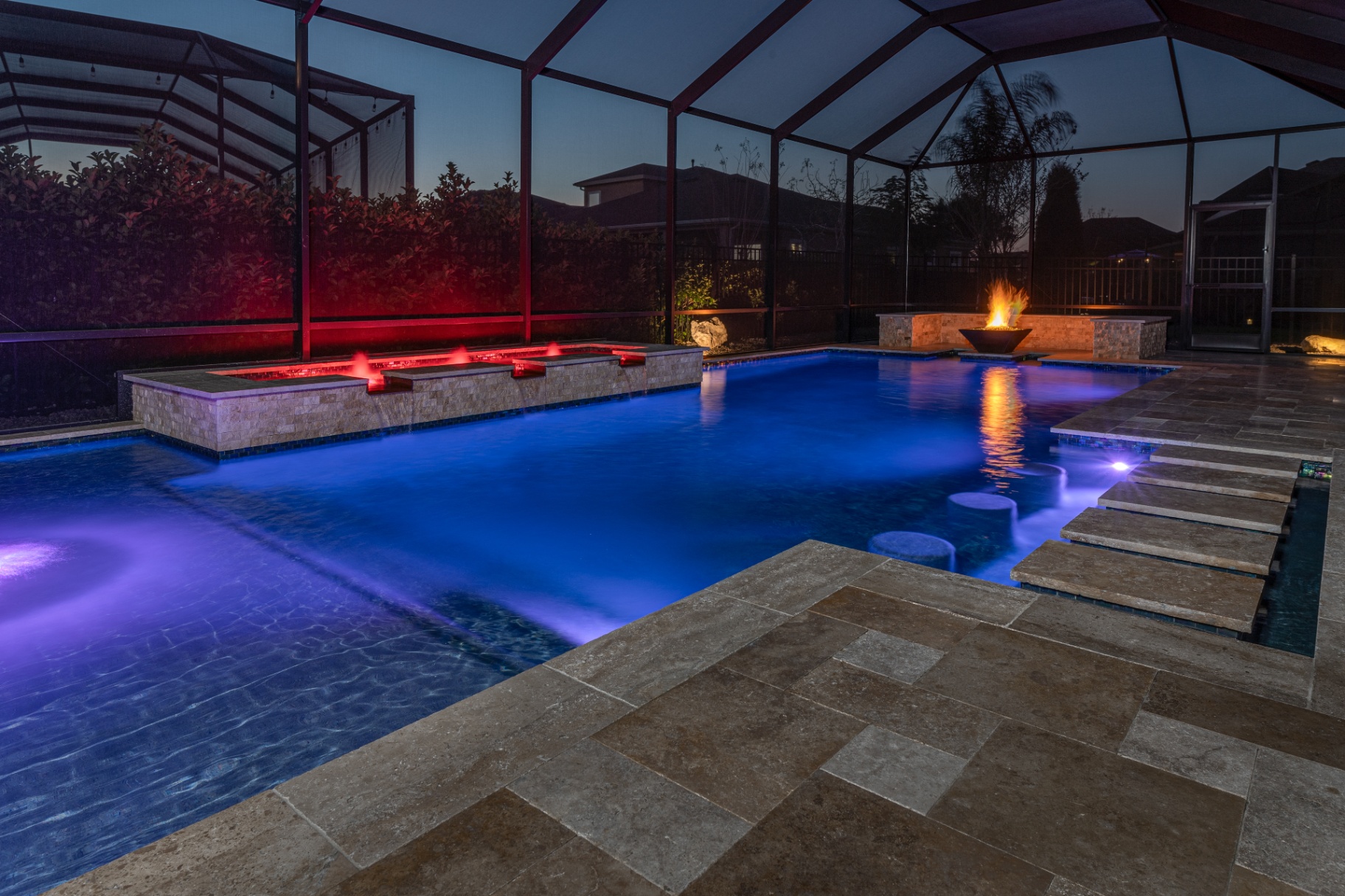
Choosing between salt chlorination and traditional chlorine is one of the most important decisions when building a custom pool in Central Florida. When evaluating a saltwater pool Tampa homeowners quickly learn that salt systems are not completely chemical free. Instead, a salt chlorine generator uses electrolysis to convert dissolved salt into pure chlorine, continuously feeding your pool without harsh chemical odors or dry skin.
While traditional chlorine pools require a lower upfront construction investment, salt systems offer significantly smoother day to day maintenance during our hot, humid summer months. Both sanitization options work exceptionally well in our climate, but factors like heavy afternoon rainfall, high summer solar heat, and proximity to Hillsborough Bay play a major role in determining long-term ownership costs and care routines.
How Florida Heat and Rain Impact Water Chemistry
In Hillsborough County, summer afternoons bring heavy tropical downpours that dilute water chemistry almost daily. Rainwater lowers pool water pH and washes away stabilizer chemicals like cyanuric acid, allowing intense ultraviolet sunlight to burn off free chlorine within just a few hours. Traditional chlorine pools require manual chemical dosage increases after every major storm to prevent sudden algae growth and water cloudiness.
Salt chlorine generators offset this volatility by producing a steady, continuous dose of sanitizer whenever the pool pump is running. This consistent feed prevents sudden drops in sanitization levels, keeping algae from taking root during hot and humid August heat waves. However, heavy rains also dilute the overall salt concentration in the pool, requiring periodic salt bag additions after extreme rain events.
High summer temperatures around Tampa Bay accelerate water evaporation, concentrating dissolved minerals and requiring consistent monitoring of total dissolved solids. Durable gunite pool surfaces handle both sanitization types remarkably well when water parameters remain balanced, but unmonitored salt levels or extreme low pH can lead to calcium scaling or surface wear on custom pool plaster finishes over time.
Is a Saltwater Pool Tampa Homeowners Install Worth the Upfront Cost?
Installing a salt sanitization system carries a higher initial equipment expense for the salt cell electrolyzer, digital control panel, and specialized plumbing integration during the construction phase. On average, adding a commercial grade salt chlorine generator increases the initial equipment package cost by fifteen hundred to twenty five hundred dollars compared to standard liquid chlorination setups.
Over a five year period, savings on retail chlorine tablets, liquid chlorine jugs, and chemical shock treatments help offset that initial equipment investment. While electrolytic salt cell replacement is required every three to seven years, lower monthly recurring chemical purchases create a predictable budget that appeals to busy families who want predictable operating expenses.
Traditional chlorine systems cost less on day one but require ongoing trips to store facilities and constant handling of concentrated chemicals. With retail chemical prices fluctuating unpredictably, salt systems provide reliable day to day sanitization while eliminating the need to transport and store hazardous liquid chlorine containers inside hot garages during peak summer months.
Equipment Longevity and Local Environmental Factors
Environmental conditions in Riverview, Brandon, Apollo Beach, and St. Petersburg present specific challenges for outdoor pool equipment. Coastal salt air combined with high ambient humidity can corrode exposed metallic hardware over time if improper materials or low grade alloys are selected during the original pool build process.
- Stainless steel grade 316 handrails and ladder fixtures resist saltwater corrosion better than standard grade steel.
- Anode zinc sacrificial weights protect copper heat exchangers inside gas pool heaters from galvanic corrosion.
- Screen enclosure fasteners made from coated stainless steel withstand humid coastal air and atmospheric salt.
- Automated variable speed pump scheduling optimizes salt cell chlorine generation efficiency while cutting energy bills.
- Sealer application on natural travertine stone coping prevents salt crystal expansion from spalling outdoor decking.
Salt cells require periodic maintenance to clear calcium scale buildup, especially in regions with high calcium water sources. Rinsing the electrolytic cell with a diluted muriatic acid solution every three to four months clears calcium deposits from the titanium plates, extending equipment lifespan and ensuring maximum chlorine output during summer peak usage.
Screen enclosures alter chemical consumption by blocking a significant portion of solar ultraviolet rays that degrade free chlorine. Homeowners with lanai screens find that salt generators can operate at lower power output percentages while maintaining perfectly clear water, which further extends salt cell plate lifespan and lowers overall power consumption.
Maintenance Differences Between Salt and Chlorine Systems
Routine maintenance for traditional chlorine pools centers around weekly water testing and adding chlorine pucks into floating dispensers or skimmer baskets. Because trichlor pucks are highly acidic, they gradually lower overall water pH over time, requiring routine additions of soda ash or sodium bicarbonate to maintain proper total alkalinity.
Conversely, salt chlorine generation naturally raises pH levels through the electrolytic reaction inside the cell. Salt pool maintenance focuses primarily on adding small amounts of muriatic acid to keep pH within the ideal seven point two to seven point six range. Many families prefer a saltwater pool Tampa custom installation because the water feels noticeably softer on eyes, skin, and swimwear without strong chemical smells.
Both sanitization systems require proper mechanical filtration, balanced calcium hardness levels, and routine skimming regardless of how chlorine is delivered. Keeping water chemistry within target ranges remains essential whether chlorine comes from a store bought bottle or an electrolytic generator operating inside your equipment pad.
Choosing the Right Sanitization System for Your Backyard
Selecting between salt and traditional chlorine comes down to your budget, maintenance preferences, and physical comfort requirements. Homeowners who prioritize gentle water feel, automated sanitization, and fewer chemical trips usually favor salt systems, while those seeking lower upfront capital investment prefer standard chlorination setups.
At Wahoo Pools, our team designs and builds high quality custom gunite pools tailored specifically to your backyard footprint, soil conditions, and lifestyle goals across Hillsborough and Pinellas counties. Contact us today to schedule a free design consultation with Wahoo Pools at 813-699-3282.
Frequently asked questions
How long does a pool salt cell last in Florida?
In Florida's climate, a quality salt cell typically lasts three to seven years. Because pools operate year-round, cell life depends heavily on runtime, salinity maintenance, and regular cleaning to prevent calcium scale accumulation on internal plates.
Does a saltwater pool damage pool decking or heaters?
Saltwater can corrode soft stone or standard metals if unprotected. Using marine-grade stainless steel fixtures, sealing travertine coping, and installing a sacrificial zinc anode on pool heaters effectively prevents corrosion and protects your investment.
Can you convert an existing chlorine pool to saltwater?
Yes, converting a pool to saltwater is straightforward. A professional installer adds a salt chlorine generator to your equipment pad, verifies metal hardware compatibility, and adds pure pool salt to reach the proper operating salinity.
How much salt do I need to add to my pool each year?
After the initial salinity startup, you only add salt when water is splashed out or drained during heavy rainstorms. Most Central Florida pool owners add just one to three bags of salt annually to offset rainwater dilution.