

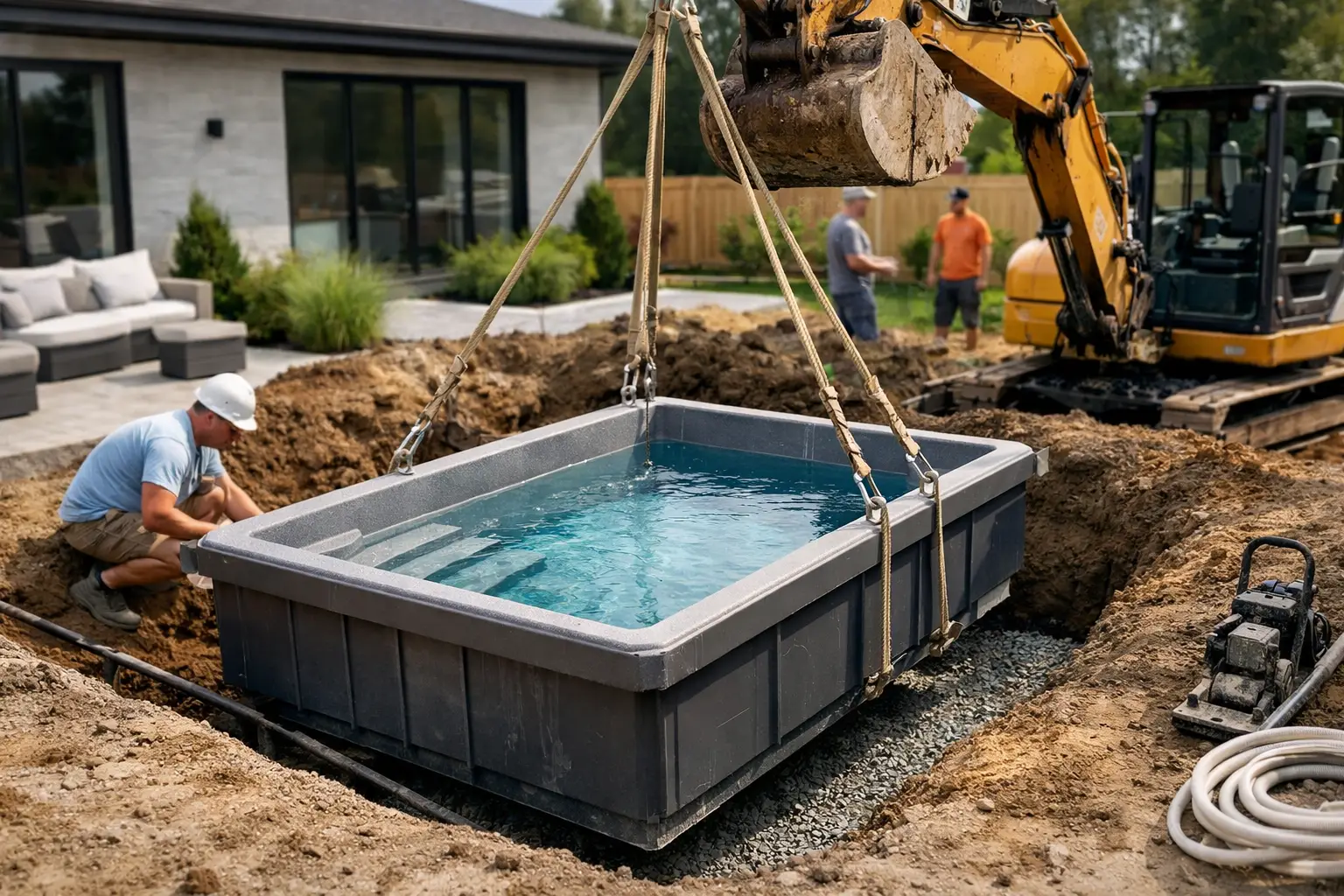
A full backyard overhaul is not the only path to a private resort feel. For many Tampa Bay homeowners, plunge pool installation is the smarter move – faster to build, easier to fit into tighter spaces, and still impressive enough to change how the entire yard looks and feels.
That appeal is not just about size. A well-designed plunge pool can create a high-end outdoor living area without the footprint, cost, or upkeep of a larger traditional pool. If you want a place to cool off, relax, entertain, and raise the value of your home, a plunge pool often checks every box.
Why plunge pool installation is gaining attention
In Florida, outdoor living is part of daily life for much of the year. Homeowners want spaces that look polished, work hard, and do not take over the entire yard. That is exactly where plunge pools stand out.
They fit properties where a full-size pool may feel excessive or simply will not fit. They also make sense for families who want a water feature that feels luxurious but stays practical. You still get the visual impact of a custom pool, especially when it is paired with a spa spillover, paver deck, outdoor kitchen, fire feature, or modern landscaping.
There is also a timeline advantage. In many cases, plunge pool installation can move more quickly than a large custom pool build, although the exact schedule depends on permitting, site access, weather, and design complexity. If your goal is to transform your yard without committing to a months-long major construction project, that matters.
What counts as a plunge pool?
A plunge pool is a compact pool designed more for cooling off, lounging, and light recreation than lap swimming. Sizes vary, but the defining feature is efficiency. It gives you a premium water feature in a smaller footprint.
That does not mean it has to feel basic. Many homeowners choose custom finishes, tanning ledges, integrated benches, waterline tile, lighting, heating, and automation. In other words, smaller does not mean stripped down. In the right design, it can feel even more intentional.
What to expect during plunge pool installation
The best projects start well before excavation. The first step is understanding how you want to use the space. Some homeowners want a cooling retreat after work. Others are building around family time, weekend entertaining, or a complete outdoor living plan.
Design and site planning
Your contractor should evaluate your lot, drainage, setback requirements, utility locations, and how the pool will relate to the house, patio, and existing features. In Tampa Bay, site planning matters because every yard has its own conditions. Soil, grading, access points, and neighborhood regulations can all influence the final design.
This is also when layout decisions happen. A rectangular plunge pool may suit a clean contemporary backyard. A compact geometric design may make more sense if you are preserving lawn space or working around a lanai. The key is not choosing a small pool at random. It is designing one that feels integrated with the whole property.
Permits and engineering
This is the stage many homeowners underestimate. Local permitting, engineering requirements, and code compliance all affect the schedule. Safety barriers, setback rules, and structural plans are not side details – they are part of doing the job correctly.
An experienced builder should handle this process for you and keep you informed about realistic timing. That guidance is valuable because permit timelines can shift based on municipality and project specifics.
Excavation and shell construction
Once approvals are in place, construction begins with layout and excavation. Even a small pool requires precision. Depth, elevation, plumbing runs, and structural support all need to be right from the start.
Depending on the design, the pool shell may be concrete or another approved construction method. In luxury residential settings, custom concrete is common because it allows more flexibility with shape, finish, and built-in features. This stage creates the structure that everything else depends on, so quality here matters more than speed.
Plumbing, electrical, and equipment
A plunge pool may be compact, but it still needs the right circulation, filtration, and electrical setup. If you are adding a heater, automation, LED lighting, or spa-style jets, those systems must be coordinated carefully.
This is one reason homeowners often prefer a full-service company rather than piecing together separate trades. The equipment selection should match how you plan to use the pool, not just meet the minimum requirement. A beautiful finish means less if the system is hard to manage or expensive to maintain.
Finishes and outdoor living details
Once the structure and systems are in place, the project begins to look finished. Interior finishes, coping, tile, decking, and surrounding design elements shape the final result.
This is where a plunge pool can become a true backyard destination. The pool itself may be compact, but the experience can feel expansive when the surrounding patio, seating areas, shade, lighting, and landscape are designed together. That is often the difference between a small pool and a complete outdoor living environment.
How long does plunge pool installation take?
Homeowners understandably want a straight answer, but the honest one is that it depends. A simpler project with favorable site conditions and smooth permitting will move faster than a custom design with added features and more complex access.
In general, plunge pools can often be installed more quickly than larger custom pools. Still, weather delays, municipal review times, material availability, and upgrade selections can all affect the schedule. The right contractor will give you a realistic timeline instead of an overly optimistic one.
What affects the cost?
Plunge pools are usually more affordable than larger pools, but cost is still driven by details. Size matters, of course, but so do finish selections, equipment choices, decking, site conditions, and how much of the backyard is being upgraded at the same time.
A basic plunge pool will price very differently from one with premium tile, automation, heating, custom lighting, water features, and an upgraded patio package. Access can also influence labor and equipment costs. If your yard is difficult to reach or requires special handling, that changes the job.
The bigger point is this: value is not just about spending less. It is about building the right pool for your lifestyle, property, and long-term maintenance comfort.
Design choices that make a small pool feel luxurious
This is where homeowners can get the most creative. Because the water footprint is smaller, design details tend to stand out more. Clean coping lines, dramatic tile, built-in seating, and elegant lighting can elevate the entire look.
Heating is another feature worth considering in Florida. Many people assume it is unnecessary, but a heated plunge pool extends comfort during cooler months and evenings. If relaxation is a major goal, bench seating and hydrotherapy-style jets can also make a compact pool work more like a personal retreat.
For modern homes, simple geometric forms often look best. For more transitional properties, softer finishes and integrated landscape design may create a more natural fit. Good design is not about copying a photo. It is about making the pool look like it belongs with your home.
Why installation quality matters after the build
A plunge pool may be smaller, but it is still a long-term investment. Poor installation can create problems that show up later in plumbing performance, finish durability, drainage, and overall maintenance demands.
That is why many homeowners want one partner to manage design, construction, equipment setup, and long-term service. It creates accountability. It also means the people building the pool understand how it will need to perform after startup.
For busy households, that support matters just as much as the original build. A pool should feel enjoyable, not like another project waiting on your to-do list.
Is a plunge pool right for your home?
If you have a smaller yard, want a quicker path to a finished backyard, or prefer a more efficient pool with strong visual impact, the answer may be yes. If your priority is full-length swimming or large-group recreation, a larger pool may still be the better fit.
That trade-off is worth discussing early. The right choice depends on how you live, how much outdoor space you want to preserve, and what kind of ownership experience you want after construction ends. For many Tampa Bay families, a plunge pool lands in the sweet spot between luxury and practicality.
At Wahoo Pools, that is often where the conversation starts – not with the biggest possible build, but with the smartest one for the property and the family using it.
If you are considering plunge pool installation, think beyond the shell itself. The best result is a backyard that feels finished, comfortable, and easy to enjoy long after construction wraps up.