
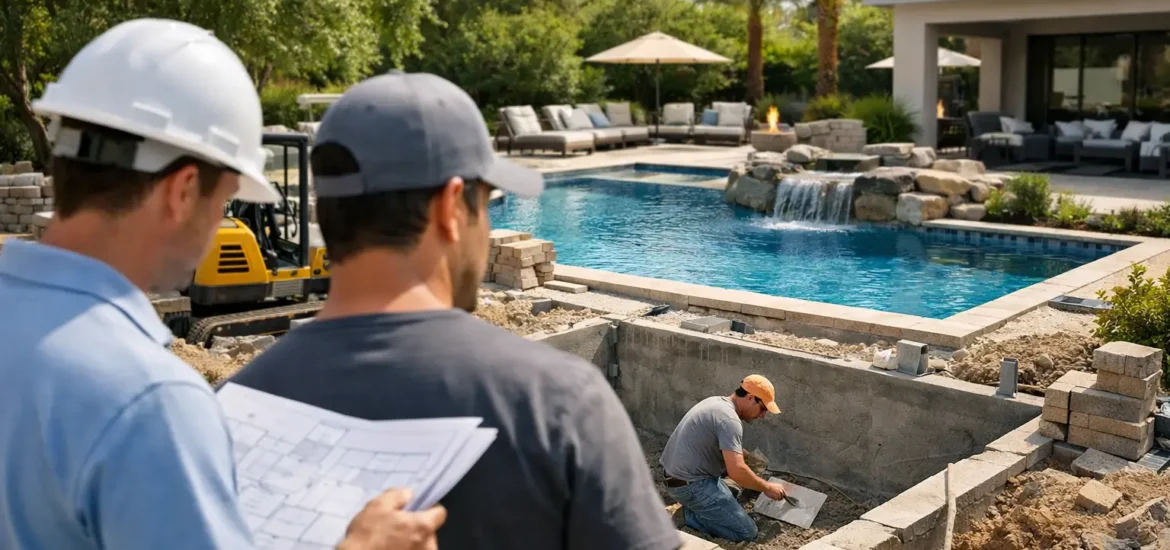
Category Archives: Pool Construction

Custom Swimming Pool Builders Near Me

Custom Swimming Pool Builders Near Me

You can usually tell within five minutes whether a pool company is selling a backyard dream or actually prepared to build one. The photos may look beautiful, but when homeowners search for custom swimming pool builders near me, the real question is not who has the flashiest gallery. It is who can take your property, your budget, your timeline, and your long-term goals and turn them into a finished space that still feels right years from now.

In a market like Tampa Bay, that question matters even more. Florida pools are not just visual upgrades. They become the center of family time, weekend entertaining, quiet evenings outside, and the overall value of your home. Choosing the right builder affects everything from design quality and permitting to equipment reliability and how easy the pool is to maintain once construction is over.

What homeowners really mean by custom swimming pool builders near me

Most people are not simply looking for the closest contractor. They are looking for a company that understands local conditions and can guide the entire process without creating extra stress. In practice, custom means the pool is designed around the home, the lot, and the way your family actually plans to use the space.

That could mean a sleek geometric pool with a spa and outdoor kitchen for entertaining. It could mean a compact plunge pool that fits a smaller yard without giving up style. It could also mean renovating an older pool and updating the surrounding patio, lighting, waterline tile, and equipment so the backyard works as a complete environment instead of a patchwork of separate projects.

A strong custom builder should be able to think beyond the shell of the pool. The best outcomes usually come from treating the entire outdoor living area as one connected design.

How to evaluate custom swimming pool builders near me

A pool is one of the biggest changes you can make to your home, so the hiring process should go beyond price shopping. Cost matters, of course, but it should be weighed alongside design capability, communication, build quality, and what happens after the project is complete.

Look at design depth, not just finished photos

A builder with true custom experience should be able to explain why a certain shape, finish, or feature makes sense for your property. A contemporary pool may complement a modern home beautifully, but it also needs to work with drainage, deck space, sun exposure, privacy, and circulation around the yard.

This is where many projects either come together or start drifting off course. Homeowners often know the feeling they want – resort-like, family-friendly, elegant, low-maintenance – but they need help translating that into practical design decisions. A good builder listens first, then narrows the options in a way that feels clear and manageable.

Ask who handles what

Some companies design. Others subcontract heavily. Others build but do not stay involved once the pool is finished. That does not automatically mean they are a poor choice, but it does create more room for miscommunication.

If you want a smoother experience, ask whether the company can handle concept development, design, construction, renovation work if needed, equipment service, and routine maintenance. There is real value in working with one team that owns the process from start to finish. It creates better accountability and protects design continuity.

Pay attention to the conversation around timelines

Every pool build depends on permitting, weather, materials, inspections, and site conditions. So no trustworthy builder should promise a magic timeline without seeing the property. At the same time, experienced builders should be able to talk clearly about scheduling, likely phases, and whether there are faster options for certain project types.

For some homeowners, a fully custom build is worth the longer path. For others, a plunge pool or a streamlined installation option may be the better fit because it balances speed, budget, and backyard goals more effectively. A quality builder should help you weigh those trade-offs instead of pushing one answer for every home.

Think about ownership after construction

A pool that looks amazing on day one but becomes difficult to maintain is not a great investment. Equipment choice, circulation, automation, finish materials, and water treatment strategy all affect long-term ownership.

This is especially important for busy families and second-home owners who want the space to stay beautiful without constant hassle. Ask what kind of support is available after the build. Service and maintenance matter more than many homeowners realize, because they influence how well the pool performs and how long the investment holds up.

Why local experience matters in Tampa Bay

When homeowners search for custom swimming pool builders near me, local knowledge should be high on the list. Tampa Bay properties come with their own mix of opportunities and complications. Soil conditions, drainage considerations, coastal weather, lot layouts, HOA rules, and municipal permitting can all shape the project.

A builder familiar with the region can often spot issues early and design around them before they turn into delays or change orders. Just as important, they understand how Florida homeowners live outdoors. Pools here are not occasional luxuries. They are part of everyday life for much of the year, which means comfort, durability, and usability deserve as much attention as appearance.

That local perspective also helps with feature planning. Shade structures, fire features, tanning ledges, attached spas, outdoor kitchens, and deck layouts should all be designed for actual use patterns in this climate. A beautiful rendering is one thing. A backyard that feels effortless on a July afternoon or a holiday evening is something else entirely.

The difference between a pool and a finished backyard

One of the biggest mistakes homeowners make is treating the pool as an isolated purchase. The result can be a nice pool surrounded by unfinished decisions – a patio that feels too small, a mismatched outdoor kitchen added later, awkward traffic flow, or service access that was never considered.

A more thoughtful approach starts with the full vision. How will people move through the space? Where will guests gather? Where will kids play? Is the spa intended for daily use? Do you want a quieter retreat feel or a social entertainment layout? Should the project prioritize visual drama from inside the home, or practical function once everyone is outside?

These questions shape the design in ways that matter every day. They also tend to protect the investment because the finished result feels intentional rather than pieced together over time.

For homeowners who want that level of guidance, a full-service company has a real advantage. Wahoo Pools, for example, is built around helping homeowners design your dream, build your dream, and maintain your dream with one experienced team instead of handing off responsibility at each stage.

Red flags to watch for when comparing builders

Some warning signs are obvious, like vague proposals or pressure to sign quickly. Others are more subtle. If a builder talks only about price and never asks how you want to use the backyard, that is a concern. If they avoid detailed discussions about equipment, service access, finish options, or long-term care, that is another.

It is also worth being careful with companies that present every project as essentially the same. True custom work should reflect the home and the homeowner. Standardization can help with efficiency, but too much of it can flatten the design and limit the final result.

And if post-construction support feels like an afterthought, pay attention. Pools need ongoing care. Renovations may come later. Equipment will eventually need service. Working with a builder that stays available after install can save time, money, and frustration down the road.

What a confident decision looks like

The right builder does not just offer ideas that look good on paper. They make the process feel guided, realistic, and well managed. You should come away with a clear understanding of what is being built, how it fits your property, what level of investment is involved, and who will support the pool after completion.

That confidence usually comes from a combination of strong design instincts, practical construction knowledge, and a service mindset. Luxury matters, but so does follow-through. A fast installation can be appealing, but only if quality stays high. A custom design can be exciting, but only if it is matched with smart planning and dependable execution.

If you are comparing custom swimming pool builders near me, look for the team that treats your backyard like a long-term lifestyle investment, not a one-time sale. The best pool is not simply the one that photographs well after ribbon-cutting day. It is the one that keeps fitting your family, your home, and your routine long after the project trucks are gone.

A great builder helps you see that future clearly – and then builds it with you.
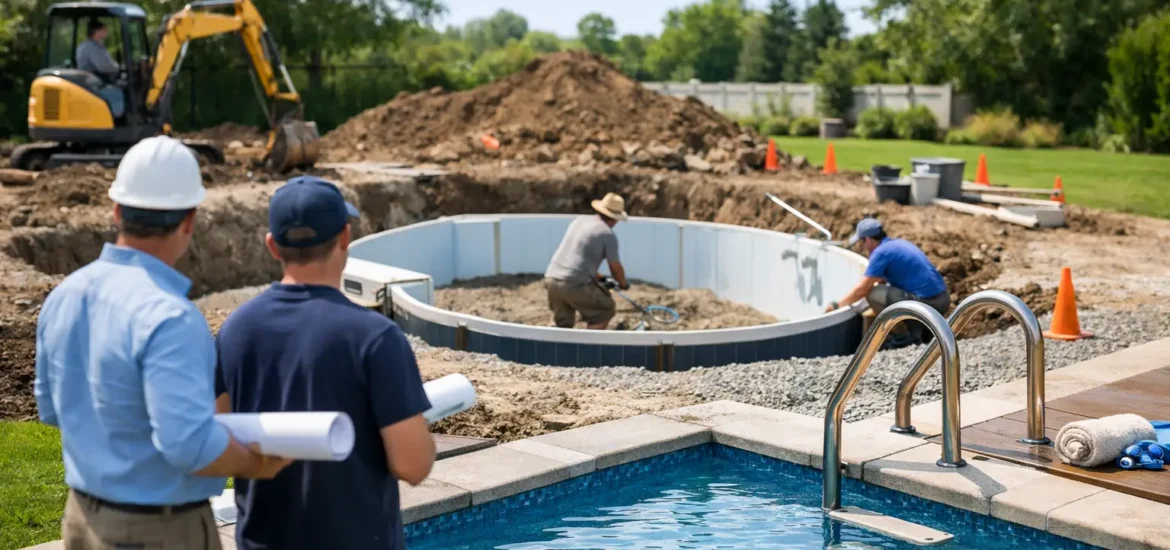
Pool Installation Process: What to Expect

Pool Installation Process: What to Expect

A new pool does not begin with excavation. It begins when a homeowner looks at the backyard and realizes it could do a lot more – more family time, more relaxation, more value, and a lot more enjoyment in the Florida heat. Understanding the pool installation process upfront makes the entire experience feel more manageable, especially when you know what happens next, what can affect the schedule, and where expert guidance makes the biggest difference.

For many Tampa Bay homeowners, the biggest question is not whether to build a pool. It is how the process actually works from first conversation to first swim. The answer is straightforward when the project is handled the right way, but there are still a few moving parts that deserve a clear explanation.

The pool installation process starts with design

Every backyard has its own possibilities and limitations. Lot size, home layout, drainage, access, setback requirements, and intended use all shape the design. A pool built for weekend entertaining may need a different footprint than one designed around daily family use, lap swimming, or a compact plunge pool concept.

This early phase is where the project gets exciting, but it is also where practical decisions matter most. Homeowners typically choose the pool shape, depth profile, finish materials, coping, decking, water features, lighting, automation, and any surrounding outdoor living elements such as a spa, sun shelf, fire feature, patio, or outdoor kitchen. Good design is not just about appearance. It is about how the entire space functions once construction is complete.

A well-planned design also helps avoid expensive changes later. When the vision, budget, and construction approach are aligned from the beginning, the build tends to move with fewer surprises.

Site evaluation, engineering, and permits

Once the design direction is established, the next step is confirming that the plan works on paper and on the property. This stage includes measurements, site review, and engineering considerations that support structural integrity and code compliance. In Florida, this matters even more because soil conditions, drainage, storm considerations, and local regulations all affect how a pool should be built.

Permitting is often the part homeowners underestimate. It can take time, and timelines depend on the municipality, project scope, and review process. In areas across greater Tampa Bay, permit turnaround can vary, which is one reason realistic scheduling matters. A trustworthy builder will set expectations here instead of promising a speed that the permitting office cannot support.

If the project includes screen enclosures, electrical upgrades, gas lines for a heater or fire feature, or major hardscape work, those details may also factor into approvals and sequencing. This is where having one experienced team coordinate the job can make the entire experience feel far less stressful.

Layout and excavation

After approvals are in place, the backyard starts to look like a construction site – because now the transformation becomes visible. The pool layout is marked on the ground so the homeowner and builder can confirm final placement before digging begins. This is an important checkpoint. Adjustments are much easier before excavation than after.

Excavation is typically one of the fastest phases, but it is also one of the messiest. Heavy equipment removes soil based on the approved design, and access to the yard plays a major role in how simple or complex this step will be. A tight side yard, existing structures, fencing, or landscaping can all affect equipment access and labor.

Florida weather can also influence this phase. Rain can slow progress, soften soil, and impact site conditions. That does not mean the project is off track. It simply means the schedule should account for real-world construction conditions rather than ideal ones.

Steel, plumbing, and electrical rough-in

Once the hole is excavated, the shell begins taking shape. Steel reinforcement is installed to create the structural framework of the pool. This steel must be placed precisely according to engineering requirements because it helps the finished shell withstand ground pressure and long-term use.

After steel comes the rough-in for plumbing and electrical systems. Pipes are positioned for circulation, skimmers, drains, returns, water features, and spa jets if the design includes them. Electrical work supports lighting, automation, pumps, heaters, and other equipment. This phase is less exciting visually than excavation, but it is one of the most important parts of the build.

When plumbing and electrical systems are installed correctly, homeowners benefit long after construction ends. Better circulation, efficient equipment operation, and easier maintenance all begin here. This is also why cutting corners during installation tends to show up later in the form of repairs, performance issues, or higher operating costs.

Gunite or shotcrete application

At this stage, the shell is formed using sprayed concrete, commonly gunite or shotcrete depending on the application and method used. This creates the hard structure of the pool. For many homeowners, this is the moment the project finally feels real. The shape they saw on paper is now in the ground.

After the shell is applied, it needs time to cure. That curing period is essential to long-term durability. Rushing it is never worth it. While homeowners are often eager to move ahead quickly, this is one of those places where patience protects the quality of the investment.

It is also common for the site to look unfinished for a little while during this period. That can feel uncomfortable if you are expecting constant visible progress every day. In reality, quality construction includes stages where the right next step is simply allowing materials to set properly.

Tile, coping, decking, and outdoor living features

Once the shell is ready, the project starts to shift from structural work to finished surfaces. Waterline tile and coping are installed first, helping define the pool’s visual character. This is where contemporary, resort-inspired design choices begin to stand out.

Decking follows, and the material selection affects both appearance and usability. Travertine, pavers, concrete finishes, and other deck materials all offer different looks, heat performance, maintenance needs, and price points. There is no universal best choice. It depends on style preferences, budget, and how the space will be used by kids, guests, and pets.

If the project includes integrated features such as a spa, fire bowls, a tanning ledge, a patio extension, or an outdoor kitchen, those elements are often coordinated during this phase as well. This is one reason many homeowners prefer an end-to-end approach. The backyard feels more cohesive when the pool and the surrounding living space are designed and built as one environment instead of as separate projects.

Interior finish, fill, and startup

The interior finish is one of the final major steps in the pool installation process. Whether the homeowner selects plaster, quartz, pebble, or another finish, the choice affects appearance, texture, durability, and maintenance expectations. Premium finishes often come with a higher upfront cost, but they may offer longer-term aesthetic and performance benefits.

After the interior is applied, the pool is filled with water and the startup process begins. Equipment is tested, water chemistry is balanced, and the system is checked for proper performance. Pumps, filters, heaters, lights, and automation controls should all be reviewed so the homeowner understands how everything works.

This handoff matters. A beautiful pool is only part of the result. Homeowners also need confidence in operating and caring for it. That is especially true for busy families who want the space to feel easy to enjoy, not complicated to manage.

How long does the pool installation process take?

This is the question every homeowner asks, and the honest answer is that it depends. Pool size, design complexity, permitting, weather, material availability, site access, and added features all influence timing. A compact plunge pool may move faster than a large custom pool with a spa, elaborate decking, and multiple outdoor living upgrades.

That said, speed and quality should work together, not against each other. A fast timeline is appealing, but not if it creates mistakes or communication gaps. The better standard is a clear schedule, realistic updates, and a builder who manages each phase with accountability. For homeowners who want efficiency without losing confidence in the final result, that balance is what matters most.

What homeowners can do to keep the project moving

The best pool projects are collaborative. Homeowners do not need to manage construction, but they do help the process by making selections on time, asking questions early, and staying aligned on budget and priorities. Delays often happen when finish choices, change orders, or added features are introduced late in the schedule.

It also helps to think beyond installation. Equipment efficiency, maintenance access, safety features, and future service support should all be part of the conversation before the build is complete. A pool is not just a construction project. It is a long-term part of how the home functions.

That is why many families choose a company like Wahoo Pools to design, build, and support the backyard from start to finish. When one team owns the process, the design intent stays intact, communication stays cleaner, and the transition from construction to ongoing care feels much more natural.

The right pool should feel exciting before construction starts, organized while it is underway, and easy to enjoy once it is finished. If you are planning your backyard transformation, the best next step is not to rush. It is to work with a team that knows how to build your dream with clarity from day one.

Pool Installation Timeline: What to Expect

Pool Installation Timeline: What to Expect

If you’re planning a new backyard pool, one of the first questions you probably have is simple: how long is this going to take? A realistic pool installation timeline matters because it shapes everything from your budget and backyard access to family plans, landscaping, and how soon you can actually start enjoying the water.

The short answer is that most projects take several weeks to a few months, depending on design complexity, permitting, weather, materials, and site conditions. In the Tampa Bay area, those factors can shift the schedule more than many homeowners expect. A straightforward build may move quickly, while a custom luxury pool with a spa, outdoor kitchen, fire feature, or extensive hardscaping naturally takes longer.

A Typical Pool Installation Timeline

For many homeowners, the full pool installation timeline starts before any digging begins. Design, engineering, and permits often take as much attention as construction itself. Once construction starts, the sequence is usually predictable, but the pace can vary.

A standard custom concrete pool often follows this general range:

  • Design and planning: 1 to 3 weeks
  • Engineering and permits: 2 to 8 weeks
  • Excavation and steel: 1 to 2 weeks
  • Plumbing, electrical, and inspections: 1 to 2 weeks
  • Shotcrete or gunite shell: 1 week
  • Tile, coping, decking, and finishes: 2 to 6 weeks
  • Interior finish, fill, and startup: 1 week

That means many projects land somewhere between 8 and 16 weeks from signed agreement to swim-ready pool. Some move faster. Some take longer. The difference usually comes down to choices made early and conditions discovered later.

What Happens Before Construction Starts

The earliest phase is where the project takes shape. This is when homeowners decide not just that they want a pool, but what kind of backyard experience they want to create.

A simple rectangular pool with clean lines, standard equipment, and a modest deck usually moves through design faster than a fully integrated outdoor living project. If you’re adding a raised spa, sun shelf, automation, custom lighting, pavers, pergolas, or an outdoor kitchen, the planning phase expands because more details need to be coordinated.

This part of the process should not feel rushed. Good design work saves time later because it reduces changes during construction. It also helps you align aesthetics, function, and budget before permits are submitted.

In many cases, engineering drawings and permit applications come next. Local municipalities in the Tampa Bay region each have their own review timelines, and permit speed is not always in the builder’s control. HOA approvals can also add time if your neighborhood requires them. For homeowners, this can be the least visible phase, but it is essential.

Site Prep, Layout, and Excavation

Once permits are approved, the project becomes very real very quickly. The layout is marked, access is confirmed, and excavation begins.

Excavation itself may only take a day or two for a straightforward pool, but site conditions can change the schedule. Tight backyard access, buried utilities, unexpected soil conditions, drainage issues, or the need to protect existing structures may all require adjustments. In Florida, groundwater conditions can also affect how work is staged.

This is one of the moments when homeowners often realize why experience matters. A well-managed team knows how to respond without losing control of the overall schedule.

Structural Work and Rough-In

After excavation, steel reinforcement is installed to form the structural skeleton of the pool. Plumbing lines and electrical conduit are then placed before inspections are completed.

This phase tends to move efficiently when the design is clear and the site is cooperative. Still, inspection timing can influence progress. Each municipality has its own process, and projects cannot move to the next step until required approvals are in place.

For a custom pool, this stage may also include setup for spa spillovers, water features, tanning ledges, automation systems, and upgraded lighting. These additions create a better finished product, but they do introduce more coordination.

Gunite or Shotcrete and the Cure Time

Once the structure is ready, the shell is sprayed. This is a major milestone in any pool installation timeline because the pool finally looks like a pool.

After the shell is installed, it needs time to cure properly. Homeowners sometimes assume the project will move nonstop from this point forward, but cure time is part of building a durable structure. Skipping or compressing that window is not how quality work is protected.

Depending on the build method and weather conditions, your builder may provide guidance on watering the shell during the curing period. It can feel like a pause, but it is really part of the structural process.

Tile, Coping, Decking, and Outdoor Living Features

This is where the project starts delivering the visual impact most homeowners have been waiting for. Tile and coping define the waterline and edges. Decking shapes how the backyard feels underfoot and how the full space functions for family time, entertaining, and relaxation.

If your project includes patios, pavers, travertine, retaining elements, fire features, or a complete outdoor kitchen, this phase can become one of the longest parts of the job. Not because anything is wrong, but because finish work takes craftsmanship and coordination.

Material availability can also matter here. Specialty tile, premium stone, custom features, and certain equipment selections may require longer lead times. If timing is your top priority, choosing readily available materials can help keep the project moving.

Interior Finish, Fill, and Startup

The final finish is the point where the surface goes in and the pool begins its transition from construction site to backyard retreat. Plaster, aggregate, or other interior finishes are applied, then the pool is filled and startup begins.

Startup is not just turning on the equipment. Water chemistry needs to be balanced correctly, systems must be checked, and homeowners should be introduced to operation and care. This is especially important with automation, heaters, spas, LED lighting, and sanitation systems.

A quality handoff matters. The best pool experience is not just about build day. It is about knowing your pool is set up to perform well long after construction is complete.

What Can Delay a Pool Installation Timeline?

Homeowners appreciate honesty here: delays are possible, even with a strong plan. Florida weather is one of the biggest variables. Heavy rain can affect excavation, inspections, decking, and finish schedules.

Permitting and municipal inspections can also stretch the schedule. Material shortages, change orders, and site surprises can do the same. In some cases, homeowners unintentionally extend the timeline by making design or finish changes after construction is already underway.

That does not mean delays are inevitable. It means a builder should communicate clearly, set realistic expectations, and manage the process actively rather than promising an unrealistically fast result.

How to Keep Your Project Moving

The fastest projects usually have one thing in common: clear decisions made early. When homeowners finalize design details, choose materials promptly, and understand the sequence ahead of time, the build tends to stay on track.

It also helps to work with one company that can guide concept development, design, construction, and post-build care in a coordinated way. That reduces handoff issues and keeps accountability in one place. For homeowners investing in a luxury backyard, that kind of continuity is often worth more than shaving off a few days.

If speed is especially important, ask about design options that are known to move faster. A plunge pool or a streamlined contemporary layout may offer a shorter path to completion than a highly customized resort-style build with multiple added structures. There is always a balance between speed, complexity, and finish level.

Why the Right Timeline Is Better Than the Fastest One

A rushed pool is rarely the goal. Most homeowners want something better: a beautiful, lasting pool delivered with confidence and clear communication.

That is why the right pool installation timeline is the one built around your property, your priorities, and your long-term plans for the space. For some families, that means moving as quickly as possible. For others, it means taking the time to create a fully integrated outdoor living environment that feels custom in every detail.

At Wahoo Pools, that planning-first approach helps homeowners design their dream, build their dream, and feel supported well after the project is complete.

If you’re starting to picture summer weekends, evening swims, and a backyard that finally works the way you want it to, the best next step is not guessing the schedule. It is getting a clear plan built around your home, your vision, and a timeline you can trust.

Pools Installation Cost in Tampa Bay

Pools Installation Cost in Tampa Bay

Sticker shock usually starts when a homeowner sees two pool quotes that look nothing alike. One promises a basic build at a lower number. Another includes design, permitting, equipment, finishes, and a full backyard plan. That gap is exactly why understanding pools installation cost matters before you commit. In Tampa Bay, the real price of a pool is shaped by far more than the shell.

A new pool is part construction project, part design investment, and part long-term lifestyle decision. If your goal is to create a backyard that feels polished, functional, and easy to enjoy for years, the cheapest number is rarely the most accurate number. The better question is what you are actually getting for the price.

What affects pools installation cost?

Pools installation cost depends on the type of pool you build, the complexity of your site, the materials you choose, and how much you want the finished backyard to do. A simple pool with standard finishes and limited site prep will land in a very different range than a custom pool with a spa, sun shelf, upgraded tile, automation, and integrated outdoor living features.

In the Tampa Bay area, soil conditions, drainage, lot access, and local permitting can all influence the final investment. Homes with tighter access may require more labor or specialized equipment. Sloped yards, utility conflicts, and properties in flood-prone areas can add engineering or construction steps that are easy to overlook during early budgeting.

Pool size is one of the first variables people think about, but it is not the only one. Shape, depth changes, structural demands, and finish selections can move the price just as much as square footage. A compact plunge pool with premium features may cost more than a larger but more basic design.

Typical cost ranges for a new pool

For many Florida homeowners, a professionally installed in-ground pool starts in the mid five figures and can move well into six figures depending on customization. A straightforward build with standard equipment and finishes may sit at the lower end of that spectrum. A fully customized backyard retreat with spa features, lighting, pavers, fire elements, and outdoor kitchen integration will naturally be higher.

That range can feel broad, but it reflects reality. There is no universal pool price because there is no universal pool project. Two families can both ask for a “custom pool” and end up with very different scopes.

If speed and efficiency matter, some builders now offer faster-install options such as plunge pools or streamlined build programs. These can create a more controlled path to pricing, especially for homeowners who want a luxury look without a long construction timeline.

The biggest cost drivers homeowners overlook

The pool itself is only one part of the project. The surrounding choices are often what turn a basic installation into a finished outdoor environment.

Decking is a major example. You may start with a pool budget in mind, then realize you need a larger patio for entertaining, better walkways, or upgraded pavers that match the style of your home. That patio space has real value because it changes how the pool functions day to day, but it also changes the cost.

Equipment also deserves attention. Pumps, filters, heaters, salt systems, automation, and sanitation upgrades all affect both upfront investment and long-term ownership. Better equipment can reduce maintenance headaches and improve energy efficiency, but it raises the initial number.

Then there are design features that make the space feel finished. Spillover spas, tanning ledges, water features, LED lighting, glass tile, premium coping, and raised walls all add visual impact. They also require more materials, more labor, and often more engineering.

Many homeowners also underestimate the cost of working around an existing property. Removing old decking, addressing drainage issues, relocating fences, or preserving mature landscaping can add complexity even before the new pool goes in.

Why the lowest bid can cost more later

A low quote can be appealing, especially if you are trying to stay within a target budget. But when a price looks significantly lower than competing proposals, it is worth asking what has been left out.

Some quotes focus only on the base pool and leave out pieces that are necessary to complete the project, such as upgraded electrical work, permit-related requirements, decking allowances, or startup support. Others may use lower-tier equipment or finishes that reduce cost now but increase maintenance needs later.

This is where a full-service builder creates clarity. When design, construction, equipment planning, and ongoing care are considered together, you get a more realistic picture of total ownership. That kind of planning helps prevent expensive surprises halfway through the project.

For busy families, there is another cost to consider: time and stress. Managing separate designers, trades, and service providers may save money on paper, but it can create delays, finger-pointing, and inconsistent results. A single team with end-to-end responsibility often brings more accountability and a smoother experience.

Pools installation cost and long-term value

A pool is not only about what it costs to build. It is also about what it gives back. For many Tampa Bay homeowners, that means family time, a better entertaining space, relief from the Florida heat, and a stronger connection to home.

In the right setting, a well-designed pool can also support property appeal. That does not mean every dollar spent comes back dollar for dollar in resale. It means thoughtful design, quality construction, and a cohesive outdoor environment can make your home more desirable in a market where outdoor living matters.

Long-term value also comes from durability and maintainability. Finishes that hold up, equipment that runs efficiently, and a layout that fits your lifestyle all contribute to whether the investment feels worthwhile five years from now, not just on installation day.

How to budget the right way

The best pool budgets are built around priorities, not guesses. Start with how you want to live in the space. Do you want a quiet retreat, a family play zone, a place to entertain, or a full backyard transformation with cooking, lounging, and evening ambiance? Your answer shapes the scope.

From there, think in layers. The first layer is the pool itself. The second is the hardscape and immediate surroundings. The third is the features that elevate the experience, such as lighting, spa elements, water features, or outdoor living additions. This approach helps you separate must-haves from nice-to-haves without losing the bigger vision.

It is also smart to ask about operating costs early. Energy use, cleaning systems, heating, water chemistry, and service support all matter after construction is over. A slightly higher upfront investment in better equipment or smarter automation can make ownership easier and more predictable.

Financing can also make a high-quality project more accessible. For many homeowners, the right financing strategy allows them to build the backyard they actually want rather than cutting back on features they will wish they had later.

Why local experience matters in Tampa Bay

Pool construction in Florida comes with regional realities. Weather patterns, groundwater considerations, permitting processes, and outdoor living expectations all affect design and pricing. A builder who understands the Tampa Bay market can often spot cost variables before they become problems.

That local knowledge matters during design, but also after installation. Pools in this region work hard year-round. Ongoing service, maintenance planning, and equipment support are not extras. They are part of protecting your investment.

That is one reason homeowners often prefer a company that can guide the entire process and stay involved after the build is complete. Wahoo Pools takes that full-service approach because a beautiful installation is only part of the job. The goal is a backyard you can enjoy with confidence long after construction wraps up.

Getting an accurate quote

If you want a quote that reflects reality, come prepared with more than a rough idea of pool size. Share how you want to use the space, what style you prefer, whether you are considering a spa or outdoor kitchen, and what your property conditions look like. Photos, surveys, inspiration images, and honest budget conversations all help.

A strong estimate should account for design intent, site conditions, equipment, finish level, and project scope. It should also leave room for discussion. Good builders do not just hand over a number. They explain what is driving it and where there is flexibility.

That conversation is where smart decisions get made. Sometimes the answer is scaling back a feature that will not add much to your daily use. Other times it makes sense to invest more in layout, decking, or automation because those choices improve the experience every single day.

The right pool project is not the one with the lowest starting number. It is the one that fits your home, your family, and the way you want to live outdoors. When you understand what truly shapes cost, you can design your dream with fewer surprises and much more confidence.

How to Choose Pool Installation Contractors

How to Choose Pool Installation Contractors

A beautiful pool can raise your home’s value, change how your family spends time together, and turn an empty backyard into the best part of the property. But the experience depends heavily on the pool installation contractors you hire. The right team makes the process feel clear and organized. The wrong one can leave you juggling delays, design compromises, and expensive fixes long after construction is finished.

For homeowners in the Tampa Bay area, that choice matters even more. Florida pools are not one-size-fits-all projects. Soil conditions, drainage, permitting, weather, equipment performance, and year-round use all shape what should be built and how it should be supported after installation.

What pool installation contractors actually do

Many homeowners start by thinking they just need someone to dig a hole and install a pool shell. In reality, experienced pool installation contractors should guide far more than construction. A quality contractor helps you evaluate your yard, refine the design, align features with your budget, manage permits, coordinate trades, and plan for long-term maintenance.

That broader role matters because every decision affects another one. The pool shape affects deck flow. The deck layout affects drainage. Equipment choices affect operating cost, water quality, and service needs. If your contractor only focuses on getting the pool built, you may end up making separate decisions later that cost more and work less well together.

That is why many homeowners prefer a full-service partner instead of assembling designers, builders, and service providers on their own. When one company owns the process from concept through care, there is more accountability and far less room for confusion.

How to compare pool installation contractors

The lowest bid can be tempting, especially when pool pricing varies so widely. But price alone rarely tells the full story. A contractor with a higher proposal may be including better equipment, stronger project management, more detailed design work, or support after the pool is complete.

Start by looking at how each company approaches the project, not just what number lands on the page. Do they ask thoughtful questions about how your family will use the pool? Do they discuss style, safety, maintenance, and long-term ownership? Do they help you think through outdoor living features like spas, fire features, kitchens, and patios so the backyard feels cohesive instead of pieced together over time?

You should also pay attention to how clearly they communicate. Luxury projects do not need a hard sell. They need confidence, transparency, and a process that makes a major investment feel manageable.

Design capability matters more than many homeowners expect

A pool is not just a vessel for water. It is part of your home’s architecture and part of your daily routine. The best contractors do not simply offer a set of standard shapes. They look at how the pool should sit within the yard, how traffic should move around it, where sun and shade fall, and how the pool connects to the rest of the outdoor environment.

If you want a contemporary pool, a plunge pool, a resort-style entertaining space, or a full backyard transformation, design capability becomes a major differentiator. A builder who can execute construction but cannot lead the design process may deliver a pool that functions well enough but never fully feels like it belongs.

Installation speed is useful, but context matters

Fast timelines get attention, and for good reason. Nobody wants a construction site in the backyard longer than necessary. But speed only helps if the work is planned properly and completed to a high standard.

Ask what drives the timeline. Is the contractor offering a streamlined installation for a specific pool type, such as a plunge pool or a more standardized build? Or are they promising speed on a fully custom project without explaining how they manage scheduling, inspections, materials, and weather-related delays? A realistic timeline is more valuable than an aggressive one that keeps moving.

Questions to ask before you sign

A productive conversation with pool installation contractors should leave you with fewer unknowns, not more. You do not need to become a construction expert, but you should feel confident that the company can explain the process in plain language.

Ask who handles design, permitting, construction management, startup, and warranty coordination. Ask whether service and maintenance are available after the build. Ask what equipment they recommend and why. Ask how change orders are handled if you decide to adjust features mid-project. And ask what they see as the biggest risks or constraints for your specific property.

That last question often tells you a lot. An experienced contractor will not pretend every yard is simple. They will point out elevation issues, access limitations, drainage concerns, setback restrictions, or utility considerations before they become surprises.

Red flags homeowners should not ignore

Most pool projects involve excitement, money, and a fair amount of trust. That can make it easy to overlook warning signs early on. If a contractor is vague about process, hesitant to define scope, or slow to answer basic questions before the contract is signed, that usually does not improve once work begins.

Be cautious if proposals feel unusually thin. A short price with little detail may look attractive, but missing information often turns into added costs later. You should know what is included, what is excluded, what equipment is specified, and what assumptions the bid is based on.

It is also wise to notice whether a contractor talks only about installation day and not about ownership after the pool is finished. Pools require care. Equipment needs service. Water quality needs attention. If there is no clear path for support after completion, the burden often shifts back to the homeowner.

Why full-service pool installation contractors offer a better experience

For many families, the most stressful part of a home improvement project is coordinating multiple vendors. One company designs, another builds, another handles equipment, and another shows up months later for service. When something goes wrong, responsibility gets blurry.

That is where full-service pool installation contractors stand apart. When design, build, renovation, service, and maintenance are connected, the project tends to move with more consistency. The design team understands what the construction team must execute. The service team understands the equipment choices from day one. And the homeowner has one trusted point of accountability instead of several disconnected ones.

This approach also protects the long-term value of the investment. A pool that looks great at handoff is only part of the goal. The better outcome is a pool that continues to perform well, fit your lifestyle, and stay visually strong year after year.

What this means for Tampa Bay homeowners

In a market like Tampa Bay, outdoor living is not an occasional luxury. It is part of how people use their homes most of the year. That makes pool planning more significant than a simple backyard upgrade. You are shaping how your family relaxes, entertains, exercises, and spends time together.

It also means your contractor should understand regional expectations. Homeowners here often want more than a standalone pool. They want an outdoor setting that feels finished, polished, and easy to enjoy. That may include a spa, paver deck, sun shelf, fire feature, outdoor kitchen, lighting, or a renovation plan for an aging pool that no longer fits the home.

A company like Wahoo Pools appeals to homeowners who want that experience handled as one complete vision, from dream to design to build to ongoing care. That model works well for busy households because it removes guesswork and keeps quality under one roof.

Choosing the right fit for your home and goals

Not every homeowner needs the same kind of pool or the same level of customization. Some want a compact plunge pool with a faster install and modern lines. Others want a larger custom design that anchors a full luxury backyard. Neither approach is automatically better. The right choice depends on your lot, budget, lifestyle, and expectations for maintenance.

The key is to choose pool installation contractors who are honest about those trade-offs. A trustworthy company will help you balance aesthetics, cost, timeline, and upkeep rather than pushing a one-size-fits-all solution. That kind of guidance is often what separates a pool project that merely gets finished from one that truly feels like the right investment.

When you talk with contractors, pay attention to whether they are simply selling a pool or helping you think through ownership. The best partners do both. They understand construction, but they also understand how families actually live with these spaces.

A backyard pool should feel exciting long before the first swim. When your contractor brings design skill, construction discipline, and long-term support to the table, the process becomes much more than a build. It becomes the beginning of a space your family can enjoy with confidence for years to come.